
Senior Living in India: How Vedaanta Is Shaping the Asset Class. Why senior living is
emerging as a real estate asset, driven by tier-2 cities, design and services.
Senior living in India is moving from the margins to the mainstream of real estate, as demographic shifts, changing lifestyle expectations and organised operators reshape how retirement housing is conceived. India’s ageing population is predicted to double by 2050, increasing to over 20% from 10.8% in 2024. What makes this transition especially relevant today is the acceleration seen over the last two to three years, with senior living increasingly recognised as a distinct real estate asset class. Players such as Vedaanta Senior Living are helping shape this shift through service-led communities, tier-2 city expansion and new development models.
“It (senior living) is becoming more of a lifestyle change than necessity-driven because
people are choosing a better lifestyle today… senior living spaces offer experiential living,”
says Rahul Sabharwal, Director and Co-founder, Vedaanta Senior Living. This marks a
decisive shift from senior housing being viewed as a last-resort option to one that is
increasingly choice-led, aspirational and planned well in advance.
While the pandemic accelerated awareness around managed living and healthcare readiness, industry players say the momentum has sustained well beyond COVID, translating into tangible inventory growth. Currently, India has over 21,000 senior living inventory units, with South India accounting for nearly 62% of supply, led by Tamil Nadu, Kerala and Karnataka.
“This is followed by the west, east and north. The generation now moving into senior living
in the south had moved out independently in the eighties and nineties, and their children
moved out in the 2000s. In contrast, the social structure in the north is more family- and
business-driven, where families still care for the elderly. As a result, northern markets may
be later adopters of the senior living system,” Sabharwal explains, adding that newer
projects are now emerging across eastern and western states.

From Old-age Homes to a Managed Living Asset
As the sector moves toward the end of 2025, Senior living is increasingly being viewed as
one of the most dynamic emerging categories within India’s real estate landscape. What
was once considered niche is now seeing broader participation, with both established
residential developers and new brands entering the segment in response to rising demand
and improving customer awareness.
“2025 has been a milestone year for the senior living sector,” says Sabharwal. “We’ve seen a significant rise in new project launches across regions, supported by growing participation
from established developers as well as new brands entering the category. Senior living is
gaining stronger recognition within the larger real estate ecosystem.”
According to a Savills study, senior living in India is evolving into a dynamic real estate and
care model that combines comfort, healthcare and community. This evolution is evident not
only in design, but also in how senior living is increasingly being planned as a long-term,
service-led real estate asset rather than a one-time housing product.
While the upper middle class continues to form a large consumer base, rising middle-class
incomes and greater financial preparedness among retiring Indians are steadily widening the addressable market.
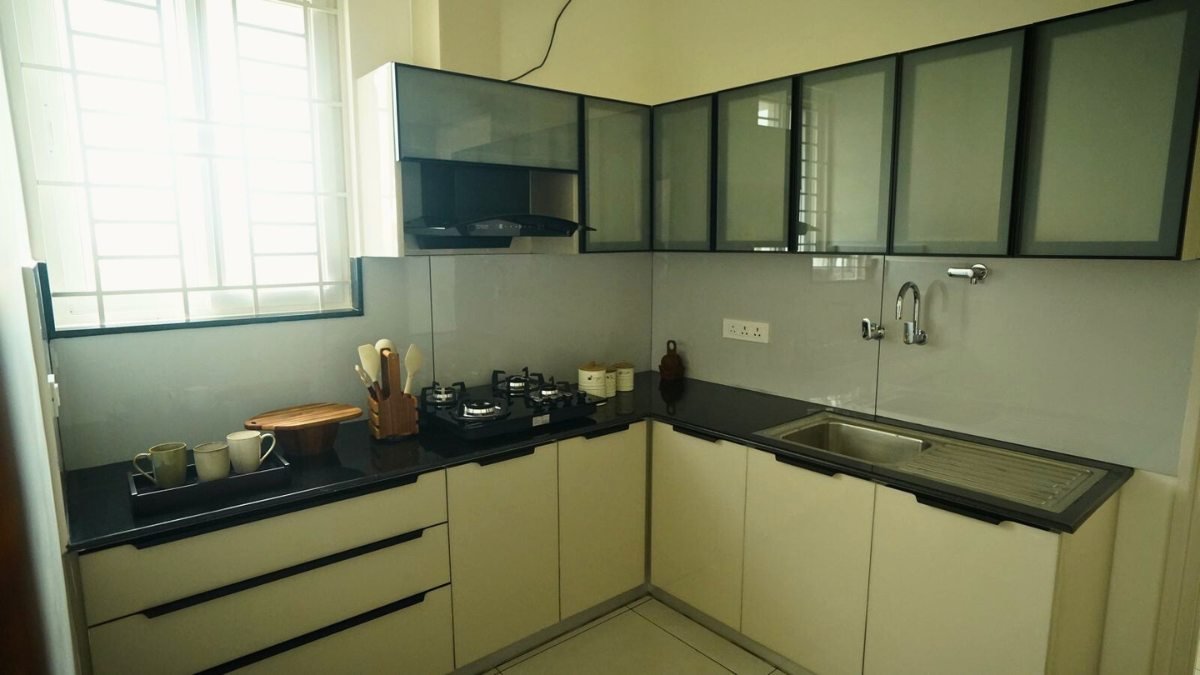
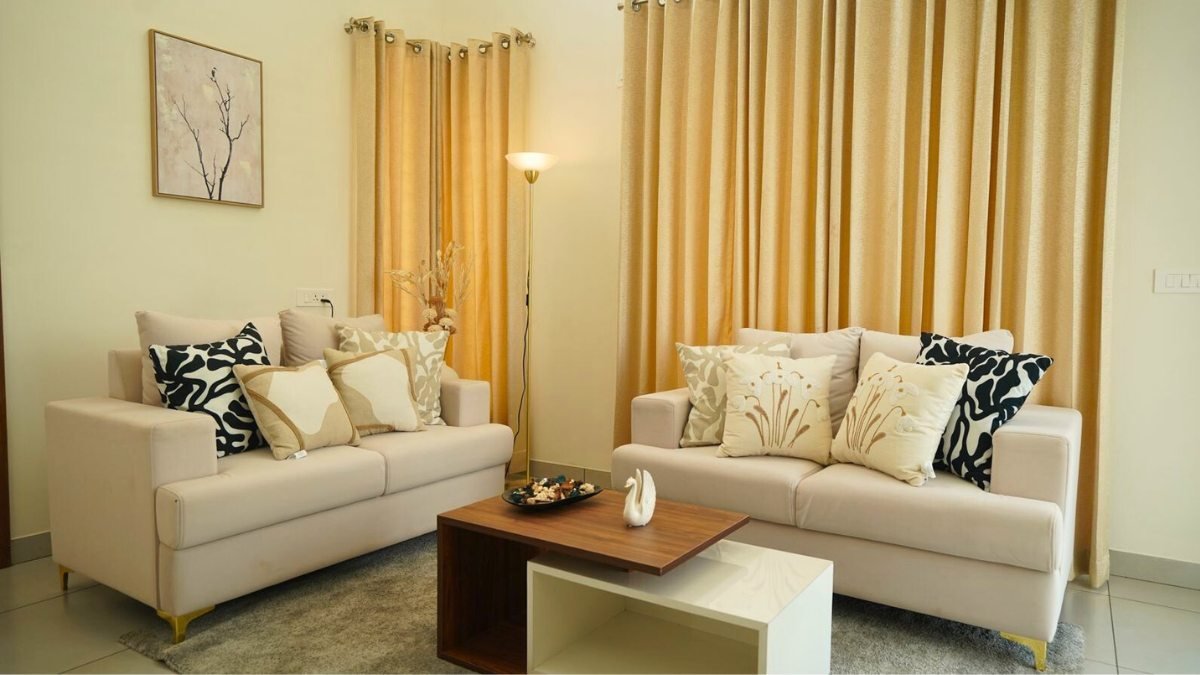
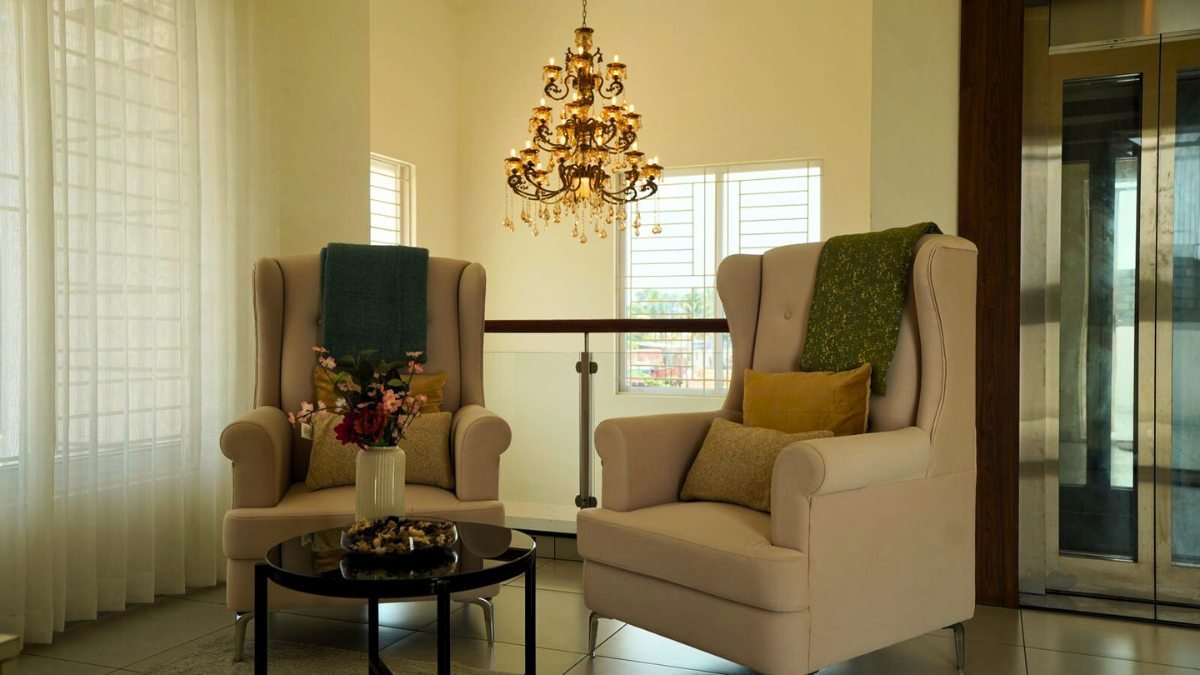
Unlike conventional old-age homes, modern senior living communities combine design with
utility while offering the familiarity of a home environment. Services are structured not just
to address physical needs, but also to support emotional well-being and independence.
“There are no stringent rules that restrict free will. The idea is to enable independence, not
limit it,” Sabharwal said.
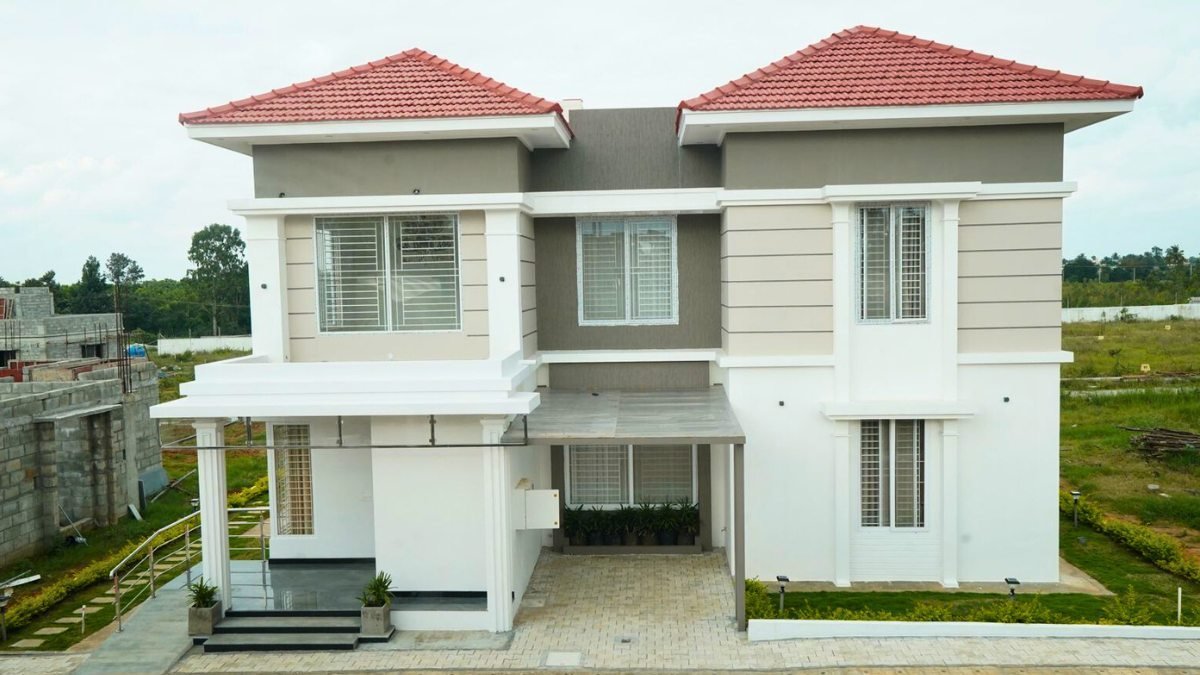
Vedaanta’s early pivot toward villa-based communities reflects this thinking. “Indians still
value land and legacy. Someone who has lived in a four-bedroom apartment may not want
to move into a smaller flat. A two-bedroom villa with a garden, however, can make that
transition easier.”
This approach is also shaping partnerships with large township developers. In late 2025,
Vedaanta entered into a strategic collaboration with Sameera Group to develop a five-acre
senior living villa enclave within a 230-acre integrated township in Tamil Nadu—reflecting a
broader trend of senior living being embedded within mixed-use developments.

Tier-2 Cities Drive the Next Phase of Growth
Beyond design evolution, geography is reshaping the senior living market. Around 34% of
under-construction senior living projects are now located in tier-2 and tier-3 cities such as
Vadodara, Coimbatore and Goa.
Lower land and living costs, access to healthcare infrastructure and a quieter lifestyle are
key drivers. Studies indicate that property prices in tier-2 cities are 40–60% lower than in
metros, while congestion costs in large cities continue to rise.
“The shift is also about quality of life—fresh air, shorter travel times and calmer
surroundings,” Sabharwal says. “Coimbatore is a strong example of how a tier-2 city has
emerged as a major senior living market.”
Importantly, this reflects a nationalisation of senior living beyond its southern roots. Cities
such as Pune and Jaipur, along with emerging hubs like Hosur, Nandi Hills and Anekal, are
seeing increased interest, driven by evolving buyer expectations and a clear shift toward
organised, service-led community living.
Vedaanta has expanded from three communities in 2022 to over 21 today (9 operational,
and 12 under development spanning 7,00,000 sft), with about half located in smaller cities. Typical communities house 80–100 homes, while micro-communities of around 25 homes
are also being tested.
Designing for Longevity, not Decline
Senior living today represents a structural departure from traditional old-age homes. Design prioritises longevity, safety and ease of use over visual novelty, while operations focus on consistency and care delivery.
Communities typically include housekeeping, laundry, kitchens, paramedical staff,
physiotherapists, primary health centres and ambulance services. “Holistically, we are trying to improve spiritual and emotional wellness.”
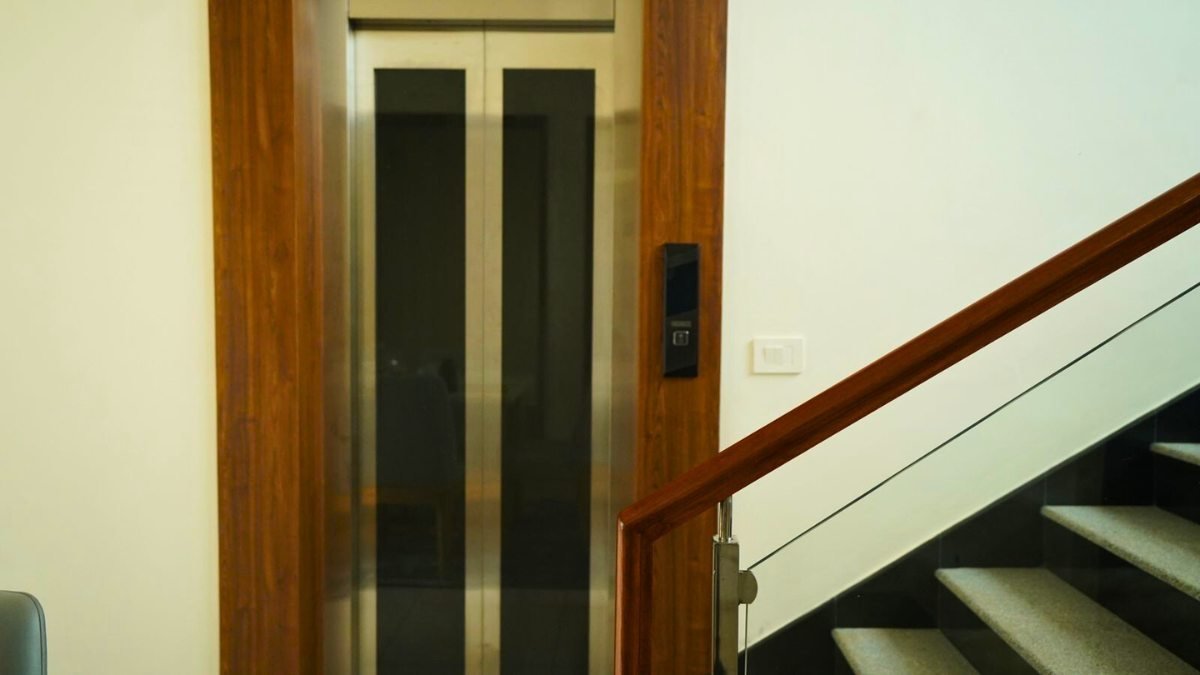
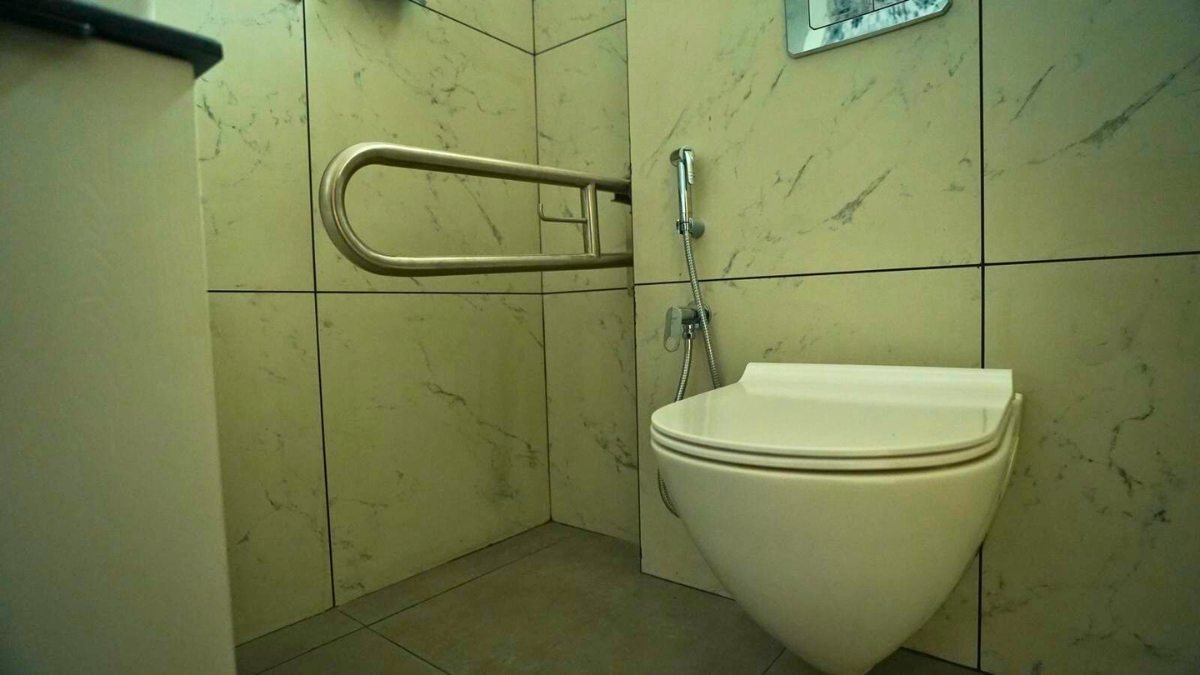
Design elements such as wheelchair accessibility, outward-opening bathroom doors,
minimum three-foot door widths, grab bars, panic alarms and wearable emergency devices
are now considered non-negotiable. Smaller community sizes encourage regular social
interaction, supported by recreation, fitness and religious spaces that reinforce familiarity
and comfort.
Trust in professional service management—once a barrier to adoption—is also improving.
Technology is playing a growing role, with Vedaanta deploying an in-house app to collect
resident feedback, digitise medical records and integrate data from wearable devices,
improving transparency and reliability.
As technology adoption increases, operators are also becoming more conscious of digital
friction among older adults. Seniors tend to value intuitive, assistive technologies that
support safety, health monitoring and communication without forcing complex digital
processes. Designing senior-friendly systems—rather than digitising services by default—is
emerging as an important differentiator in organised senior living.
Vedaanta follows a mixed development model, with around 60% of projects executed in-
house and 40% developed with partners. “We look for developers who can deliver quality
projects within 24–30 months and understand the long-term nature of this segment,” he
reveals.
Building a Product Ecosystem
As senior living gains traction—particularly among ‘young seniors’ investing early in experiential living—the segment is creating new demand across building materials and age-
compatible product categories.
India remains a relatively under-penetrated market for senior living, and demand–supply
gaps persist. Sabharwal points to the lack of affordable, tailor-made products addressing
safety, comfort and health monitoring, citing the washroom ecosystem as a key opportunity
area.
Despite its current minuscule share of the overall real estate market, senior living holds
substantial growth potential. Industry estimates suggest the segment will require
investments of $4.8–8.4 billion between 2025 and 2030.
Looking ahead, the sector is expected to consolidate further in 2026, with assisted living
emerging as a high-growth sub-segment. “Service-based real estate, especially in elder care, is steadily strengthening its position as a vital part of India’s real estate landscape.”
ALSO READ