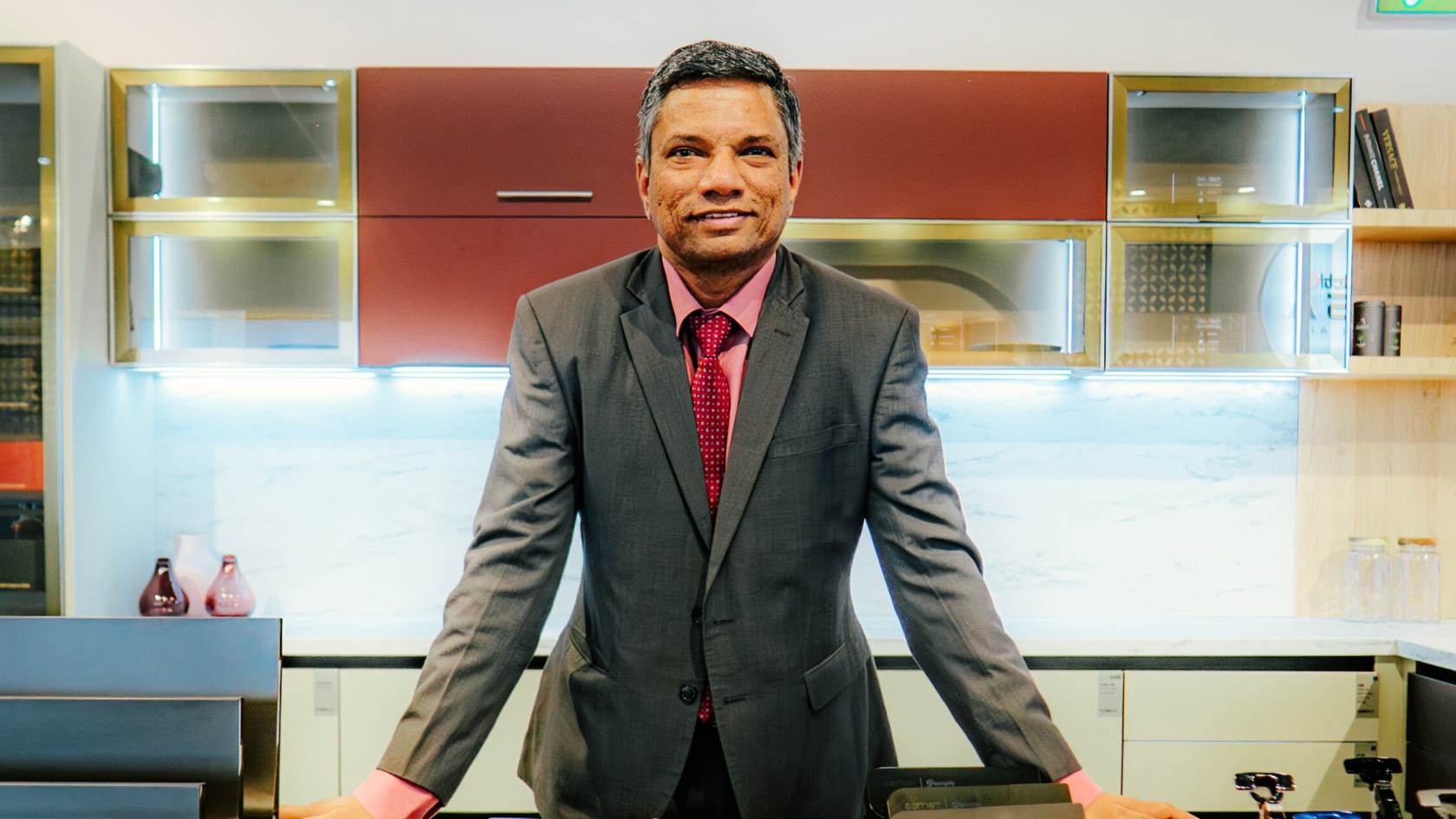
Greenply Samet deepens its footprint in India’s furniture fittings industry, as the JV has begun exporting from its Vadodara plant, expanded its dealer network extensively, and prepares to broaden its product portfolio for the modular furniture market.
Greenply Samet is strengthening its presence in India’s furniture fittings industry as the joint venture between Greenply Industries and Turkey’s Samet moves beyond its first year of operations. The development comes at a time when India’s furniture manufacturing
ecosystem is becoming more organised, increasing the demand for reliable hardware
systems that support modular production.
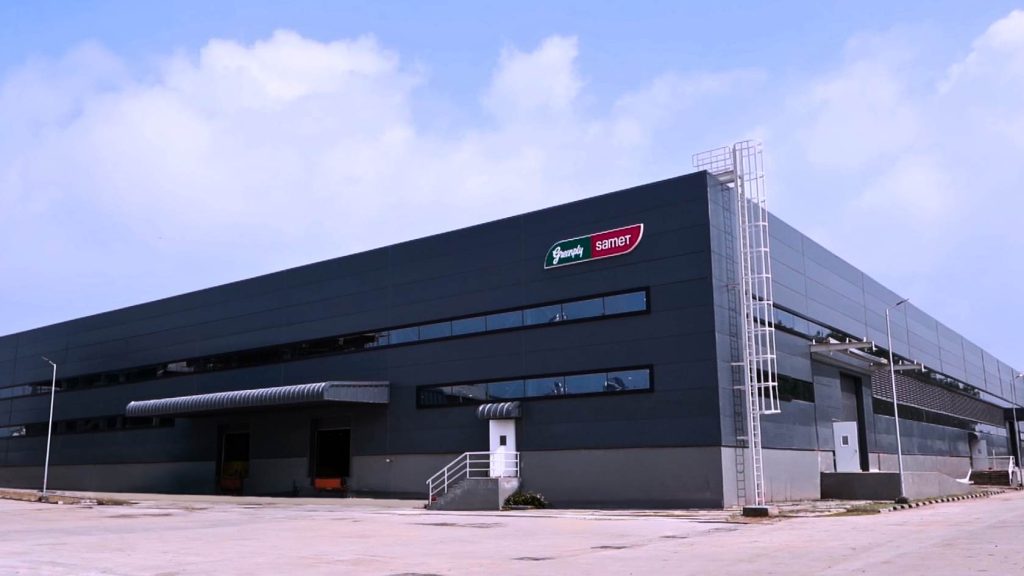
Commercial production at the company’s Vadodara facility began in March 2024, with the
first phase focused on hinges and telescopic slides used in modular kitchens and furniture
systems.
According to CEO Venkatesh V, the initial year was largely devoted to stabilising the
manufacturing infrastructure, building the sales organisation and establishing a nationwide
distribution network.
“FY24–25 was essentially a stabilisation period where we focused on putting the plant, the
teams and the channel network in place. From this year onwards the focus is on expanding
market reach and scaling revenues,” he says.
Manufacturing Base Taking Shape
Greenply Samet operates in the functional furniture hardware segment, supplying products
such as hinges, telescopic slides, drawer systems, undermount channels, lift-up mechanisms and panel connectors used in modular kitchens and wardrobes.
At present, hinges and telescopic slides are manufactured at the Vadodara facility, and together they account for significant chunk of the company’s current sales basket. Overall, a major portion of the products sold by the company are already manufactured in India, with the remaining categories sourced from Samet’s global manufacturing network.
The company expects localisation to increase steadily as additional product categories are
brought into domestic production. The next phase of expansion will focus on manufacturing
products such as undermount channels, drawer box systems and lift-up mechanisms in
India.
“Our objective is to progressively localise the entire portfolio over the next few years,” says
Venkatesh V, CEO of Greenply Samet.
The Vadodara plant operates with a high degree of automation. Once steel coils enter the
production line, most forming, surface plating, assembly and packaging processes run
automatically with minimal manual intervention.
Supporting the manufacturing setup is an in-house R&D and testing team, responsible for
product development and performance testing of hinge and slide systems.
The Vadodara plant is also beginning to play a role in Samet’s global manufacturing network. Over the past several months, Greenply Samet has started exporting selected
product ranges made in India to Samet’s international operations. According to Venkatesh,
this reflects the plant’s ability to meet the same engineering and quality standards as the
group’s global facilities and could position India as an important manufacturing base within
Samet’s international supply chain.
Greenply Samet’s progress is being closely watched by India’s furniture fittings industry
because fittings remain one of the most critical yet under-organised segments of the furniture value chain. As modular furniture manufacturing expands, reliable supply of
precision hardware—from hinges to drawer systems—becomes essential for both large
OEMs and the fragmented fabrication ecosystem.
The company’s manufacturing strategy also positions it favourably in the evolving regulatory environment. With Quality Control Orders (QCOs) gradually bringing furniture and its components under mandatory BIS certification, the industry is moving towards stricter quality and compliance norms. For companies with domestic manufacturing infrastructure and certified production processes, this transition could create a structural advantage over suppliers that rely heavily on imported components.
According to Venkatesh, the company’s locally manufactured hinges and slide systems are
already BIS certified, and the broader localisation roadmap is aligned with the direction in
which regulatory requirements are evolving.
Building Relationships with Furniture Manufacturers
Alongside distribution growth, Greenply Samet is also working to strengthen its engagement with furniture manufacturers and modular kitchen companies.
However, adoption cycles in the OEM segment typically take longer because manufacturers
conduct extensive testing before approving hardware for production lines or project use.
The company has begun supplying to several mid-segment furniture manufacturers, while
discussions with larger organised OEM players are progressing through evaluation stages.
Two product categories currently anchor the company’s OEM strategy:
- Panel connectors (Samfix) used for modular furniture assembly
- Undermount drawer channels used in cabinet and wardrobe systems
These components are widely used across modular furniture manufacturing and are
typically consumed in large volumes.
“Product approvals in this segment take time because manufacturers evaluate hardware
carefully before adopting it in production,” Venkatesh explains. “For us, building these relationships involves continuous engagement—through plant visits, technical discussions
and industry forums where OEMs and suppliers can exchange ideas on how the sector is
evolving. In fact I’m looking forward to gaining meaningful insights at India Kitchen Congress next month.”
Distribution Network Across India
Alongside OEM engagement, Greenply Samet has been steadily expanding its distribution
footprint.
The company currently works with a sizable dealer network across India, although the
channel structure differs significantly from Greenply’s traditional plywood distribution
network.
According to Venkatesh, the hardware trade operates through a distinct ecosystem of
dealers who have long specialised in fittings and accessories.
“The trade network of India’s furniture fittings industry operates quite differently from the
plywood business,” Venkatesh explains. “Many dealers in this segment have specialised in
fittings for years and understand the category well.”
At the same time, some of Greenply’s panel-product dealers are gradually entering the
fittings category as they see the opportunity to expand their offerings.
The company expects Tier-2 cities to become an important growth driver, as modular
kitchens and organised furniture solutions gain wider acceptance beyond metropolitan
markets.
Carpenters Remain Key Influencers
At the installation level, carpenters continue to play a significant role in influencing
hardware selection. To strengthen engagement with this community, Greenply Samet runs
loyalty programmes that reward carpenters for using its products.
Through a barcode-based system, carpenters can scan product packs to accumulate reward
points, which can later be redeemed for gifts. The company believes this helps generate
consistent demand at the dealer level.
“In many cases the carpenter is the person who finally recommends the hardware that goes into a kitchen or wardrobe,” Venkatesh says.
Portfolio Expansion Underway
The company is also preparing to expand its product range further.
Currently, the portfolio includes hinges, slides, drawer systems, undermount channels, lift-
up mechanisms and panel connectors. Additional modular kitchen storage solutions—including pull-out systems, tall units and related accessories—are expected to be
introduced in the coming months.
As India’s furniture industry moves steadily towards organised manufacturing and modular
production systems, the demand for reliable, locally manufactured hardware is expected to
rise. For Greenply Samet, the coming years will determine how effectively its manufacturing base, product portfolio and distribution network translate into scale in India’s furniture fittings industry, a segment that sits at the heart of modern furniture design and production.
Enjoyed this article?
Receive Kitchen & Cabinetry Intelligence directly in your inbox.
Subscribe to newsletter. Click.
–
ALSO READ