


The last 15 years have brought a pivotal shift in India’s interior design and build industry. The rise of real-tech startups has redefined how customers engage with designers and accelerated the organisation of a traditionally fragmented market. As a result, design as a service has become more accessible and less elitist. While the old perception—that design is for those with exquisite taste or deep pockets—still lingers, the modern Indian customer increasingly recognises the value of expert intervention, moving beyond contractor-led models.
The other force reshaping behaviour is aspiration. Today’s visual literacy is powered not
by global travel but by Pinterest boards and Instagram bookmarks. Customers arrive
armed with ideas, references and expectations.
These shifts have created a new ecosystem: a more organised industry on one side, and
a highly aware, visually confident customer on the other. This dynamic sets the context
for how experience centres must now operate.

Experience Centres Are No Longer ‘Stores That Sell Modular Kitchens’
Earlier, buying a modular kitchen meant entering a hardware store, paying for materials
and hiring a carpenter to assemble everything. Today, customers expect service, display
and experience—all at once. Displaying 6–10 kitchens is no longer enough; what matters
is demonstrating the flexibility of modular systems, the mix-and-match of units, finishes
and components, and the imagination of what could be, not just what is on the floor.

Experience Centres Must Be Designed for the Customer
Indian customers remain value-conscious, but now come with higher design awareness
and confidence. It is therefore non-negotiable to design the space from the customer’s
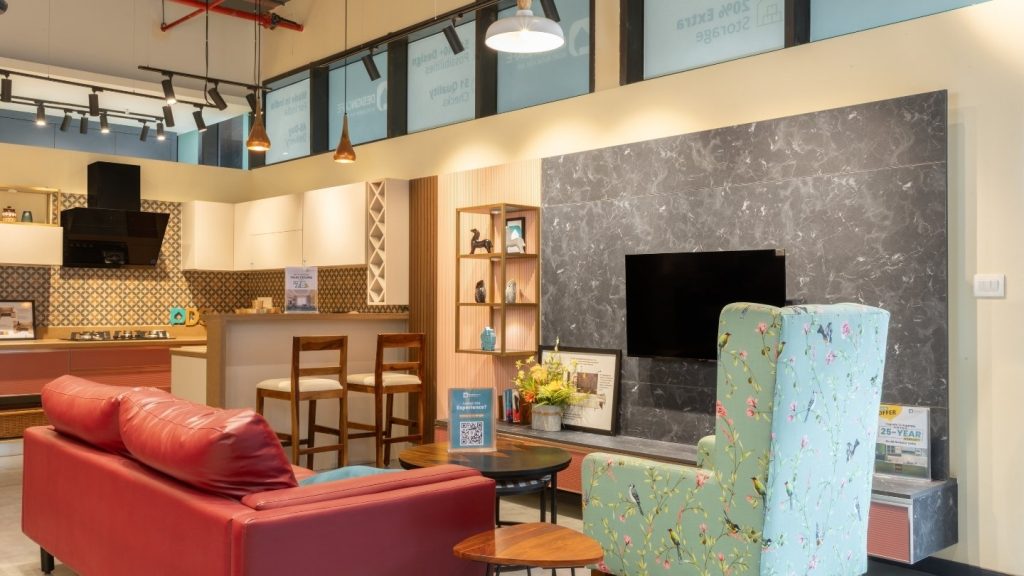
point of view—how they enter, whom they meet first, what sequence of displays they experience, where they sit for discussions and what memory they leave with. This defines zoning, circulation and the interplay of breakout spaces, meeting points and active displays that make the centre feel lived-in—much like a home.
Customers Seek Lifestyle Solutions, Not Just Products
“What will this look like in my home?” is now joined by a more functional question—“Will this fit our life?” Whether answered through tech-enabled visualisers or detailed design discussions, the outcome must help customers understand how solutions integrate into their lifestyle.
Mapping personas through display areas is an effective tool:
- an open kitchen with a breakfast island for families who cook and eat together
- a warm bedroom for unwinding at the end of the day
- a dining area that doubles as a homework or work table
Experience centres are therefore not about showing kitchens, wardrobes or study tables in isolation, but about showing how they come together as spaces the customer can inhabit.
Branding and People Complete the Experience
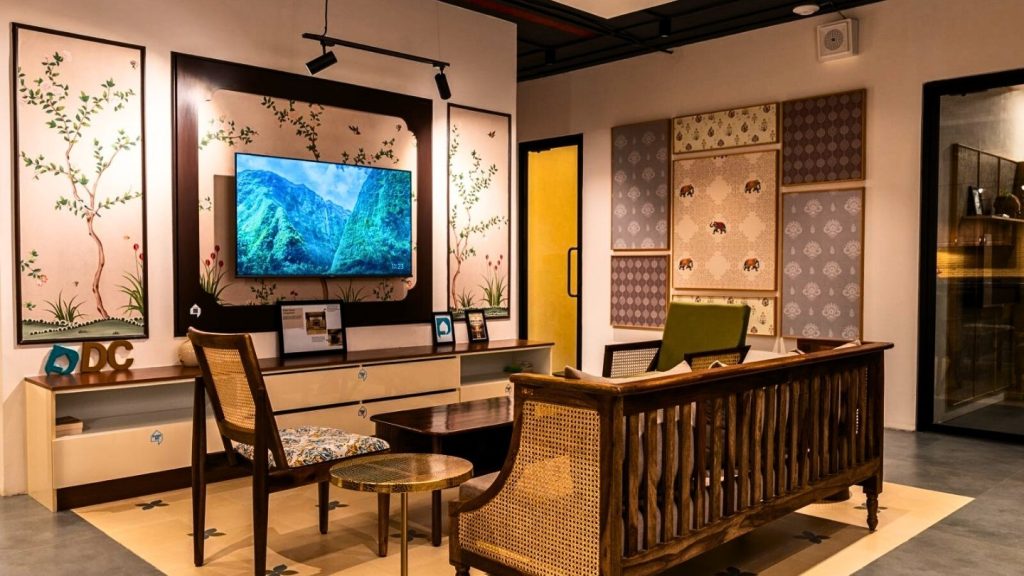
Branding, playful callouts, tech overlays and trained teams add the intangible layer that
turns displays into a brand experience. This is what makes customers remember the centre, connect with the brand and return.
Where Design Meets Retail
The next phase of India’s modular design market will be won not by who displays the most kitchens or wardrobes, but by who understands how customers want to live. Experience centres that combine modularity, lifestyle narratives and brand intelligence will outpace those built as product showrooms. As awareness rises and the category matures, this shift from selling products to selling possibility will become the defining competitive advantage.
About the Author
Swati Santani is Senior Vice President – Product & Growth at DesignCafe. She leads product strategy, customer experience and brand innovation for India’s largest home
interiors brand.
ALSO READ