

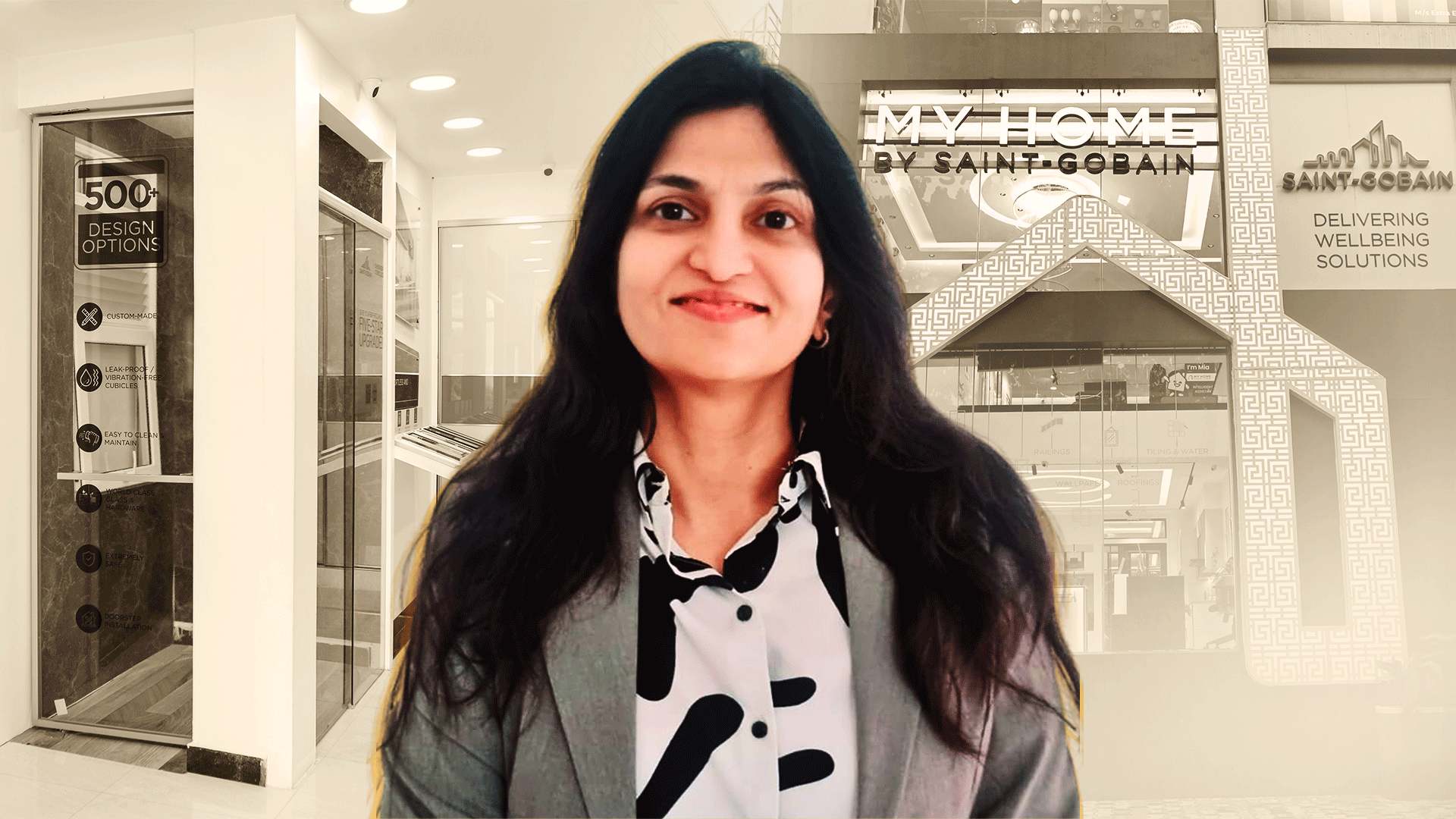
How Saint-Gobain is quietly building a windows franchise in India.
Inside the Saint-Gobain My Home windows franchise is a deliberate attempt to reframe how windows are built, sold, and scaled in India. When Saint-Gobain decided to enter the residential window market in 2021, it did not treat the move as a simple product extension. Instead, the group chose to build an end-to-end solutions business, moving decisively from being a materials supplier to becoming a consumer-facing brand in a category increasingly driven by performance, comfort, and experience.
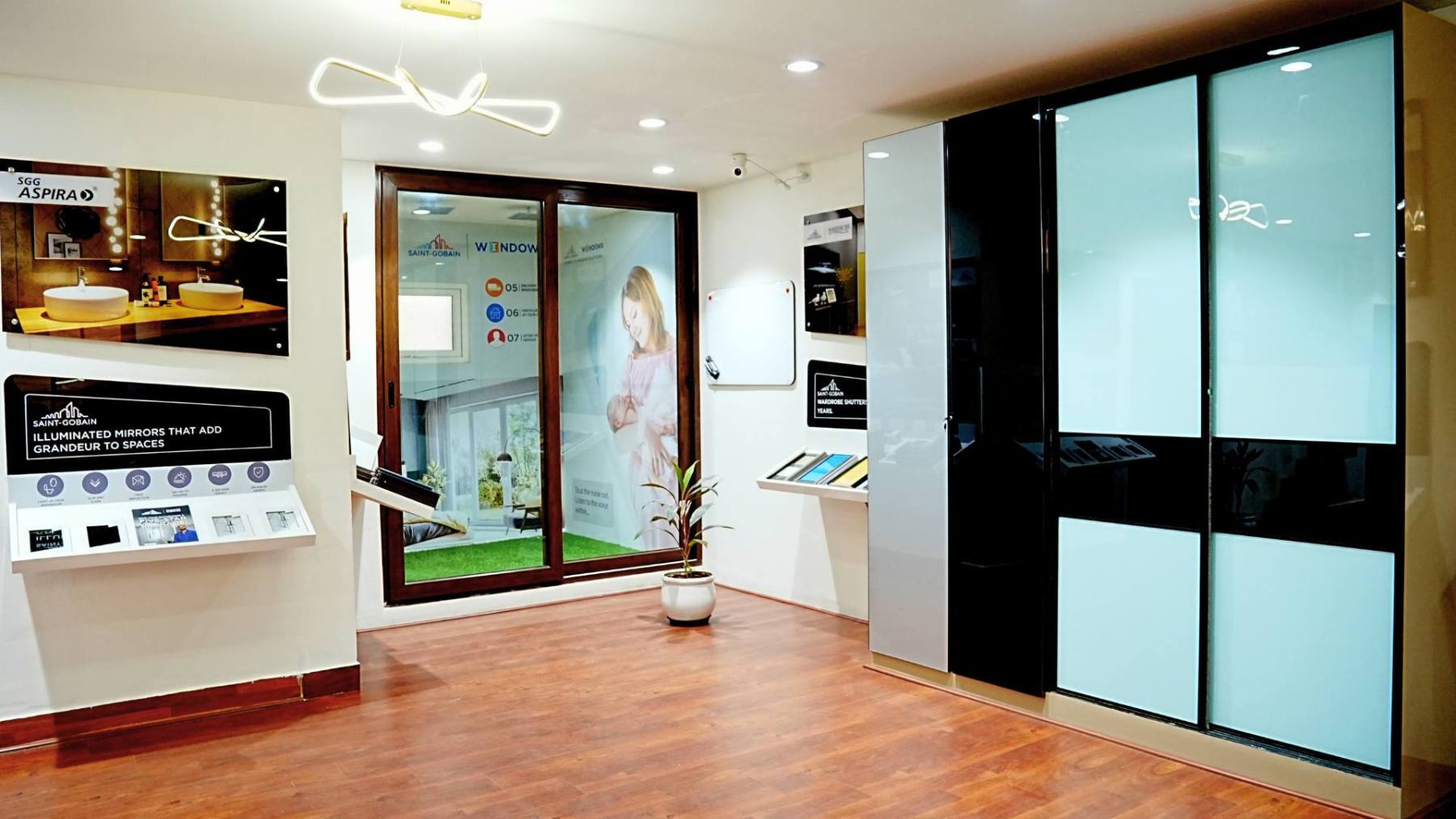
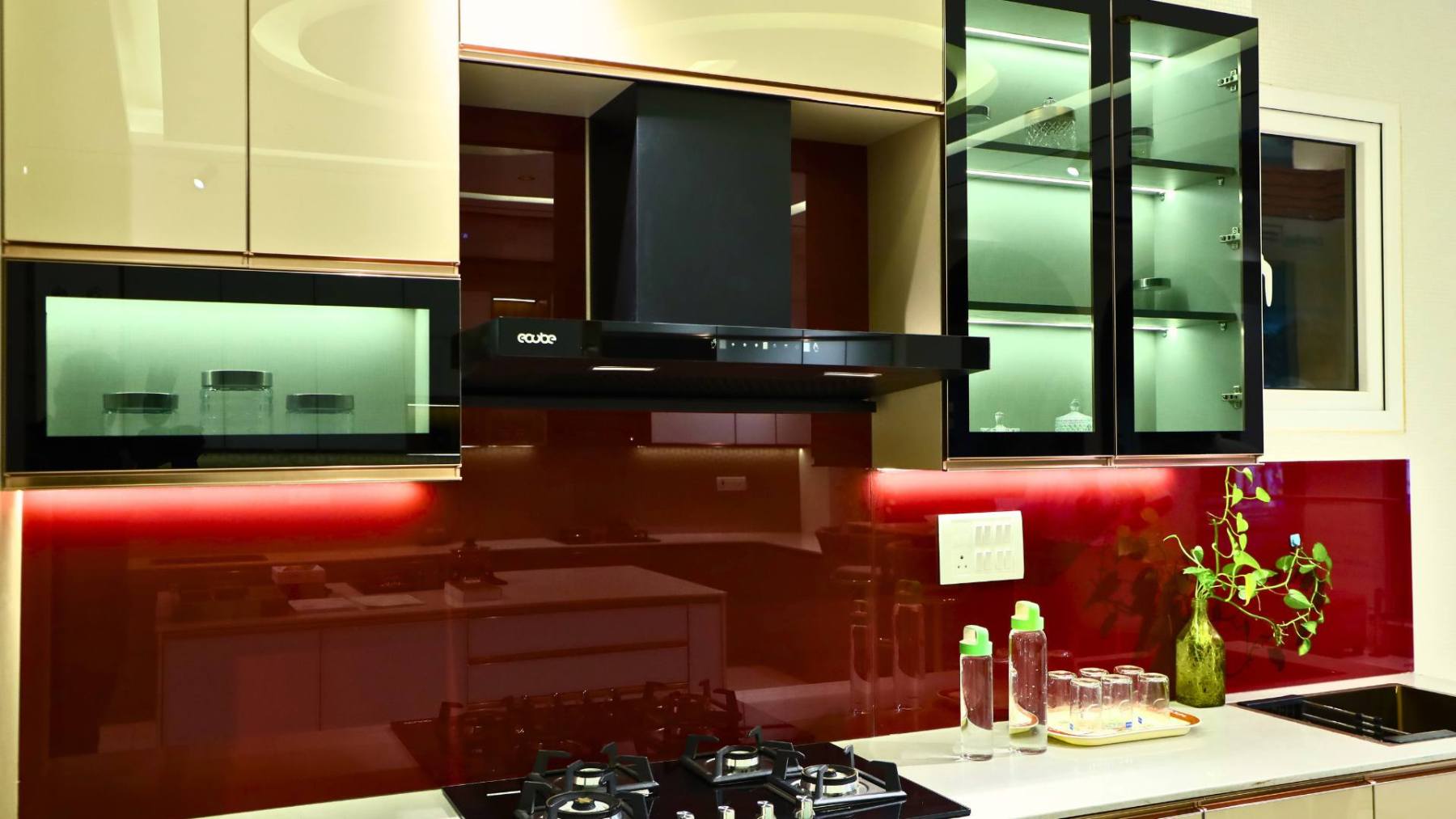
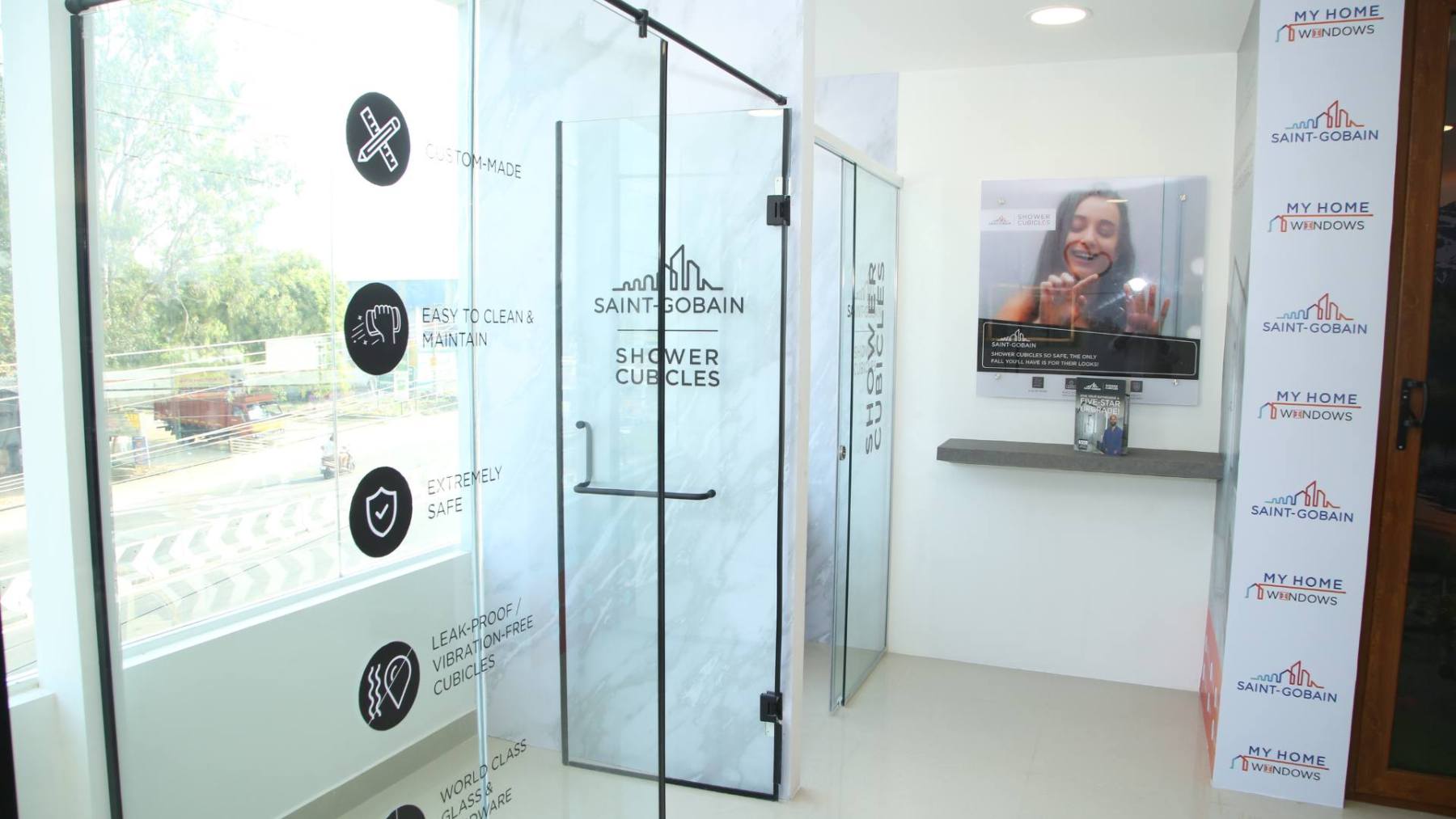
That strategy has taken shape through My Home, the Homes business of Saint-Gobain India, which sits within Saint-Gobain Glass and focuses primarily on complete window systems, supported by a franchise-led retail network. While the portfolio also includes shower cubicles, glass shutters for kitchens and wardrobes, and LED mirrors, windows remain the clear growth engine, accounting for nearly 90 percent of revenues.
From Glass to Solutions
Saint-Gobain’s rationale for entering windows is rooted in its heritage—but the execution
reflects a far more contemporary understanding of how building products are chosen today.
“We are pioneers of glass,” says Hetal Iyer, who heads sales and marketing at My Home.
“The logical next step was to move from glass as a material to glass as a complete solution.”

That distinction—between selling a material and owning an outcome—has shaped how My
Home has been designed. While this is Saint-Gobain’s first structured B2C play in India,
Hetal is careful to clarify that the model is not direct-to-consumer. Instead, the company
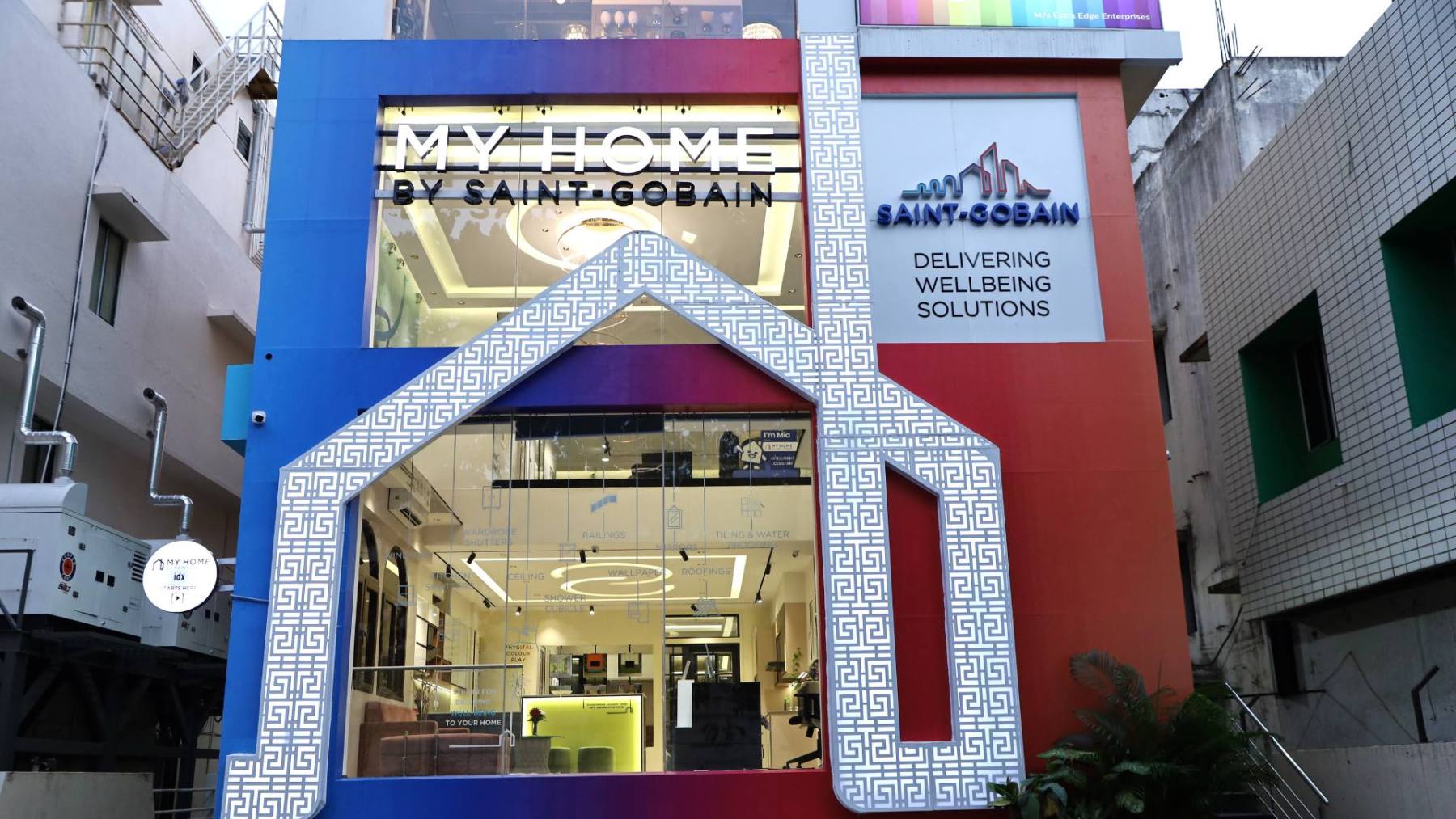
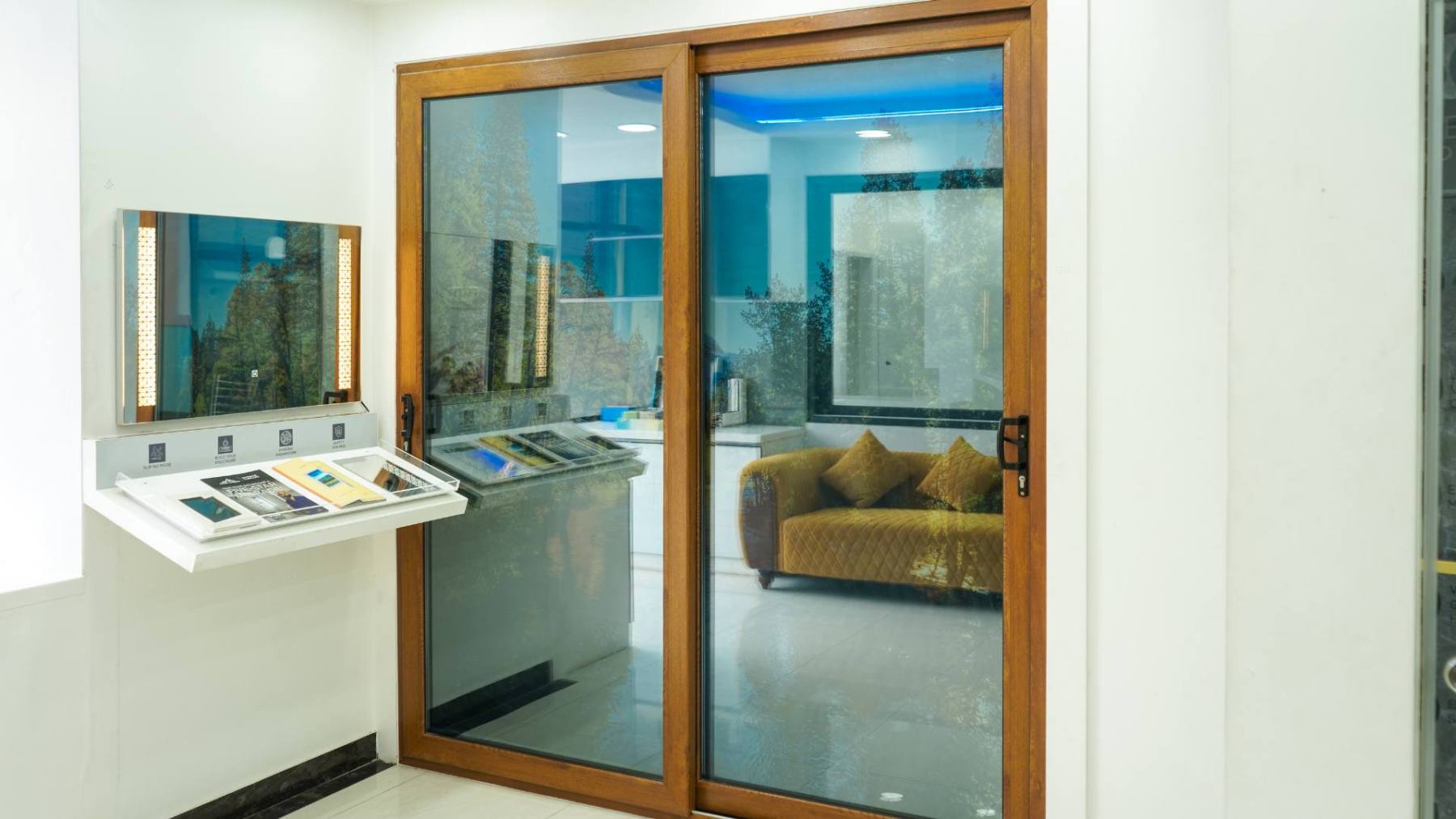
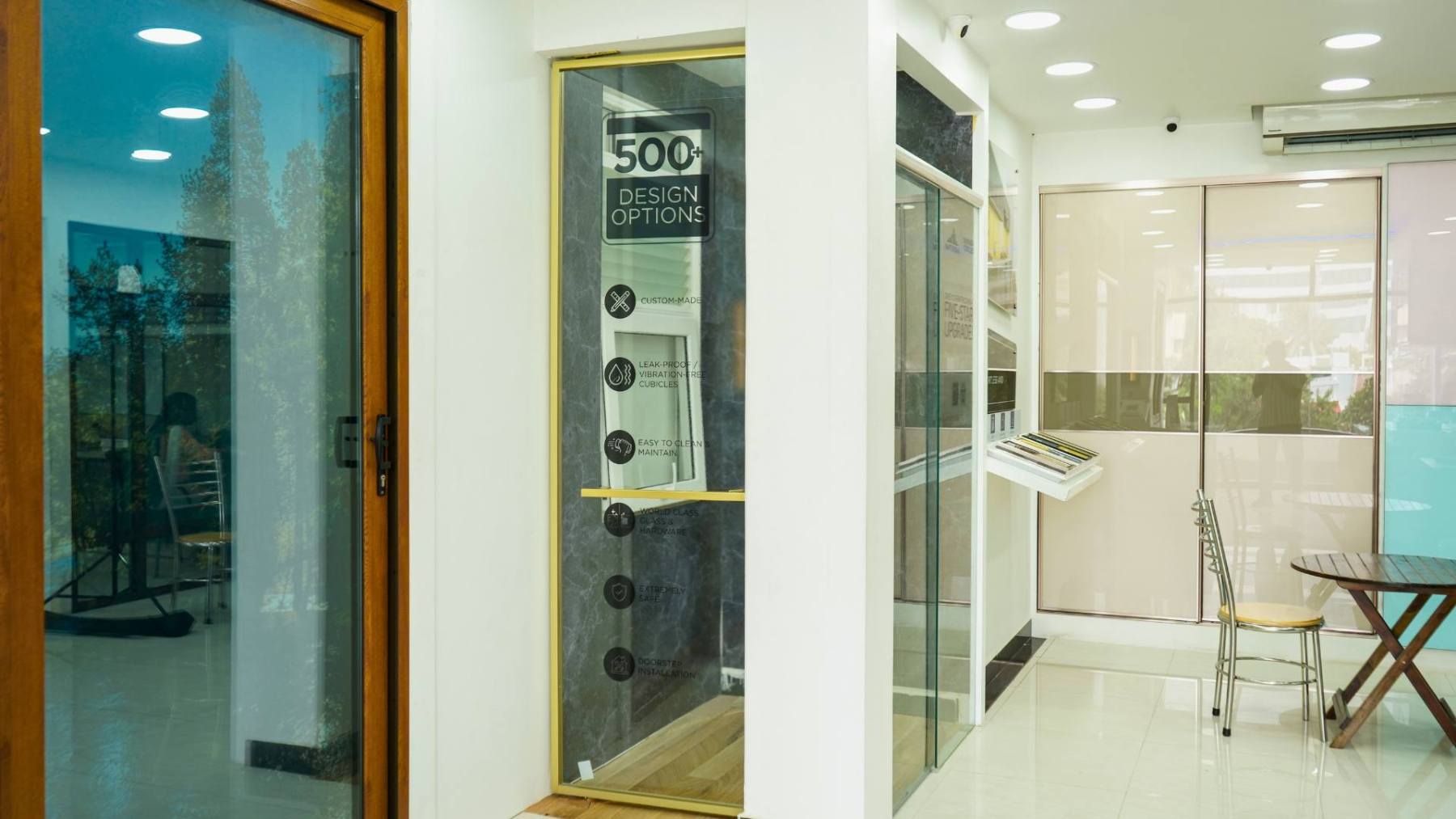
reaches homeowners through franchise-owned My Home showrooms, positioned as experience centres rather than transactional outlets.
“These are not products you buy off a shelf,” she explains. “Windows affect how a home
feels every day—sound, heat, glare, privacy. That story has to be demonstrated, not
discounted.”
A Channel Strategy Shaped by Experience
The structure of the My Home franchise reflects Hetal’s long experience building channel-
led, experience-driven businesses. Having spent over two decades working across product
development, retail rollout, channel expansion, and sales capability building, she has seen
firsthand why many franchise models scale quickly but struggle to sustain quality.
With My Home operating like a startup within a legacy organisation, the emphasis has been
on repeatable processes, clear partner roles, and sustainable unit economics. Franchisees
are expected to focus on demand generation and sales, while Saint-Gobain retains
responsibility for execution—measurement, manufacturing, installation, and service.
“That clarity is important,” Hetal says. “If partners are burdened with too many operational
variables, quality suffers and so does profitability.”
Manufacturing Depth as Differentiation
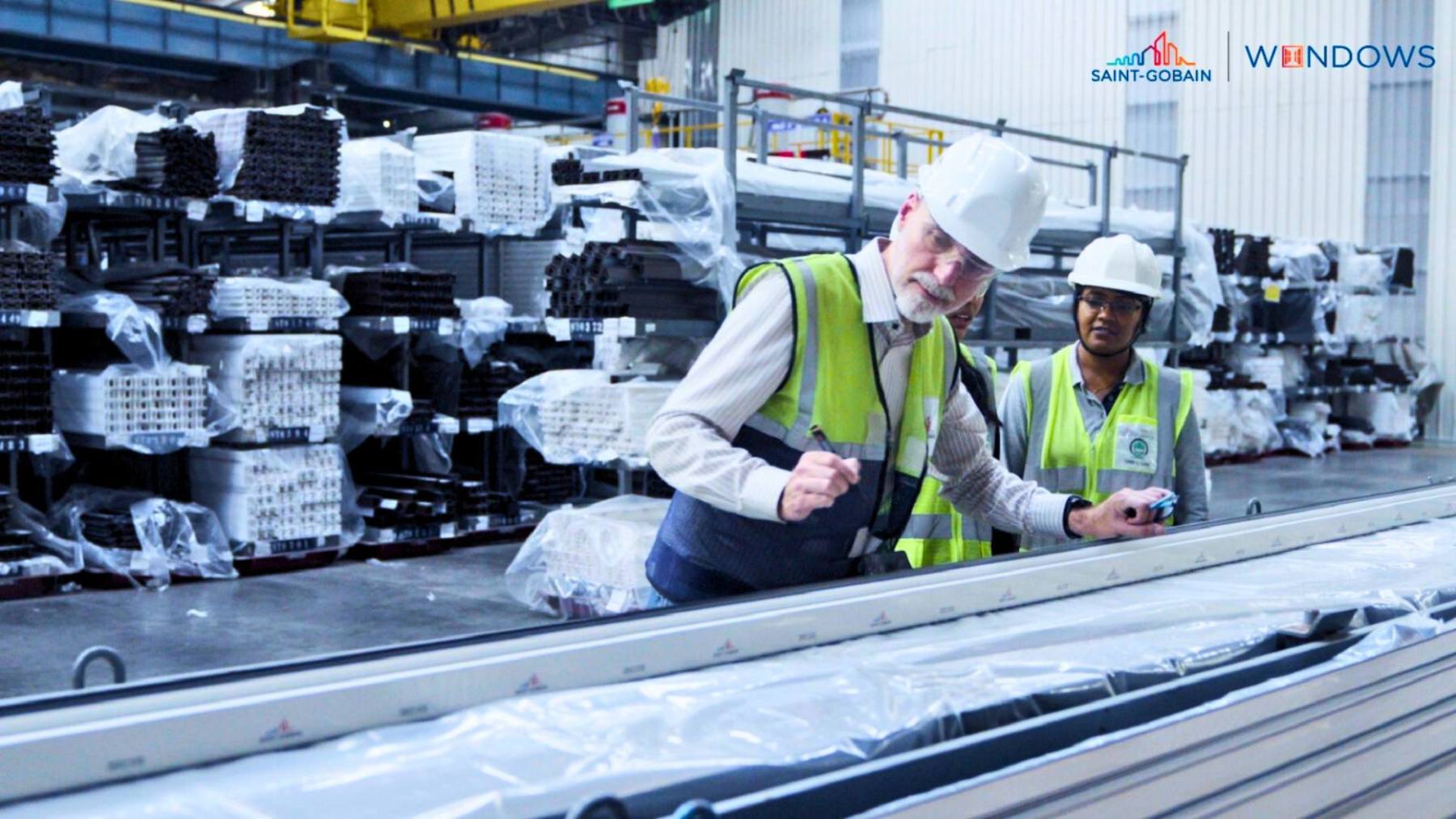
A central pillar of the My Home proposition is manufacturing ownership. Saint-Gobain
produces its uPVC window profiles and high-performance glass in-house, supported by
dedicated manufacturing facilities at Sriperumbudur and Bhiwadi. The company has also
recently launched its aluminium window range, with a phased national rollout underway.
Unlike many window players who assemble products from externally sourced components,
Saint-Gobain controls the entire chain—from glass to profiles and hardware to finished
window systems. This integration enables tighter quality control and consistency,
particularly critical in a category where failures often surface years after installation.
“We want our partners to focus on selling and relationships—execution and quality are our responsibility.”
Certification and testing are used deliberately as trust signals. According to Hetal, Saint-
Gobain is currently the first company in India to receive full SKZ product certification for its
window profiles, rather than relying on isolated sample test reports. “Our uPVC profiles
have been tested for 32,000 hours of weathering, equivalent to more than 25 years of real-
world performance, thus ensuring long-term colour stability without yellowing.”
She reveals that the company uses patented ZIP welding technology, which produces
seamless, invisible joints that are not only visually cleaner but claimed to be 45 percent
more durable than conventional joints.
Performance-led Window Systems
My Home positions windows as a comfort and performance category, not a square-foot
commodity. The portfolio includes specialised systems designed to address specific
residential pain points.
HeatBan windows, using InfraLock systems, block up to 70 percent of heat ingress.
SoundBan windows, powered by SmartSeal technology, significantly reduce noise
penetration. UVBan windows, using SunSafe technology, block up to 99 percent of harmful
UV rays, protecting interiors and furniture.
“Our goal is not rapid expansion, but building a profitable, sustainable partner network.”
Additional specifications include AL-coated steel reinforcements, seven-times corrosion
resistance, toughened glass that is four times stronger, and designs that provide maximum
daytime privacy.
On the aluminium side, the INVISIA range focuses on slim aesthetics without compromising
structural performance. With 23 mm slim interlocks, a minimum wall thickness of 1.5 mm,
four-times wind-load resistance, 2.5-times dent resistance, premium powder coating,
smooth hardware, and a 25-year warranty, the range is aimed at architect-driven projects
where spans, proportions, and finish matter.
An Asset-light Franchise Model
For channel partners, the Saint-Gobain My Home windows franchise is structured to reduce
traditional pain points such as inventory risk, fabrication complexity, and receivables, asserts Hetal. “Our franchisees do not have to stock material. All the windows are made to order, with site measurements handled by Saint-Gobain’s certified professionals. Manufacturing, logistics, installation, and after-sales service are managed by us centrally.”
The primary upfront investment is in setting up the showroom, typically ₹10–15 lakh.
Payments follow a back-to-back customer transaction model, minimising working-capital
lock-in. According to Hetal, partners who are disciplined about sales execution can break
even within a year, with profitability improving as volumes scale.
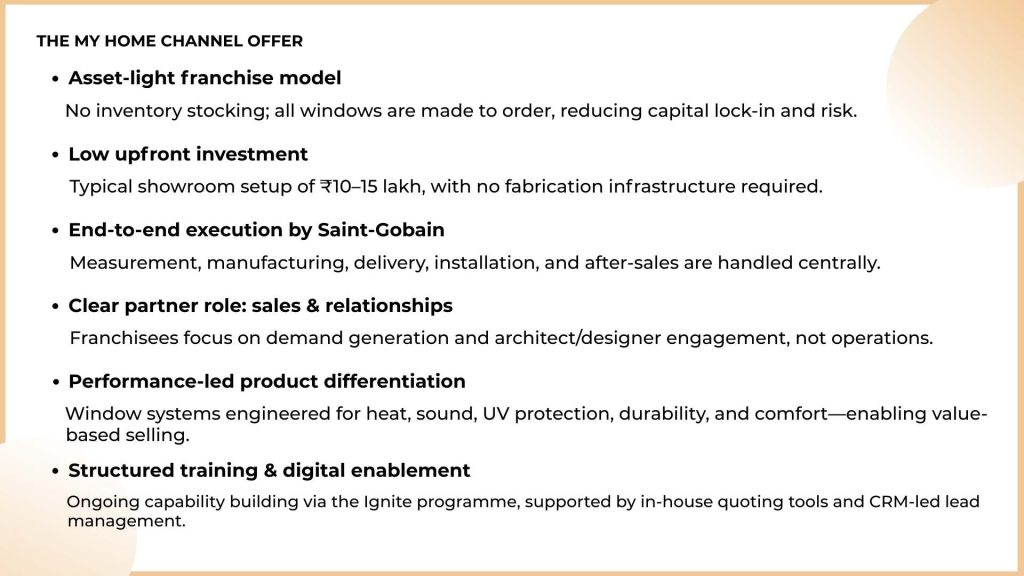
For more details about this Channel Offer, please share your details here.
What it Takes to Succeed
Hetal is candid about what does—and does not—work in the window business. Franchisees
who expect walk-in-driven sales are likely to struggle. Unlike kitchens, windows are rarely
impulse purchases. Decisions are influenced heavily by architects, interior designers, and
project consultants, often early in the construction cycle.
“Selling windows is not about price per square foot,” she says. “It’s about helping customers understand how the product will change how they live in that space.”
To support this, Saint-Gobain has built a structured enablement ecosystem. The Ignite
programme provides ongoing training across product knowledge, sales processes, software
tools, and soft skills. Frontline staff—internally referred to as My Home Stars—are treated
as extensions of the company’s teams, with periodic assessments and clear growth paths.
Scaling the Opportunity
Today, the Saint-Gobain My Home windows franchise has 60+ franchisees across India and is targeting 100 outlets in the next phase of expansion. Saint-Gobain estimates the Indian
windows market at ₹20,000 crore and growing, driven by urbanisation, real estate
development, renovation demand, and rising expectations around comfort and energy
efficiency.
For Saint-Gobain, My Home is a disciplined attempt to organise a fragmented category—combining global manufacturing depth with a franchise-led go-to-market model. For channel partners and investors alike, it represents a long-term play on scale, standardisation, and sustainable value creation, shaped as much by leadership judgment as
by product capability.
ALSO READ