

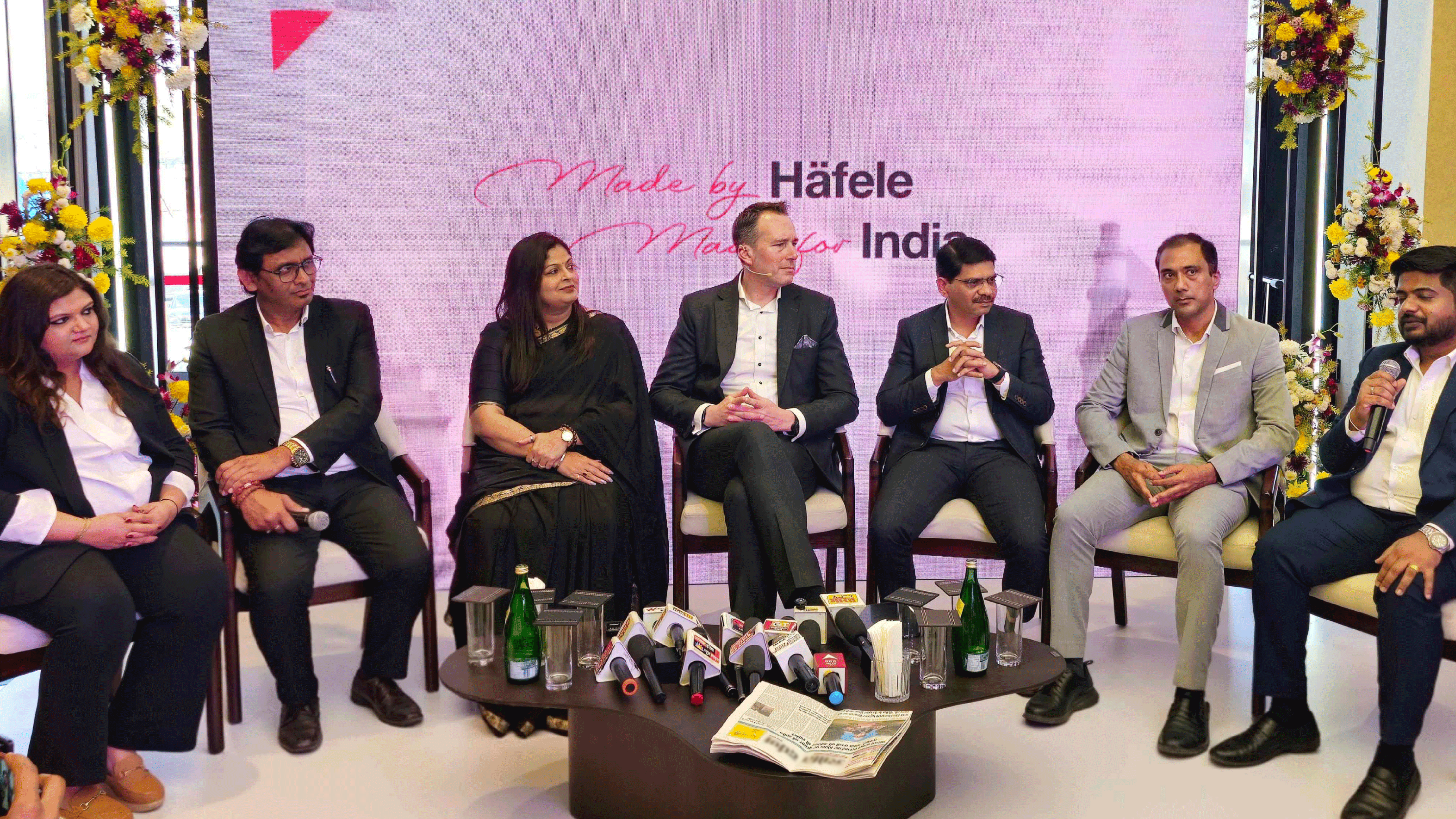
Häfele opens 10,000 sq ft Gurugram flagship design centre, expanding its integrated experience format and strengthening its presence in the NCR market. With this launch, Häfele India has expanded its large-format footprint and reinforced its positioning as a systems supplier to kitchen and furniture manufacturers, architects, interior designers and contractors.
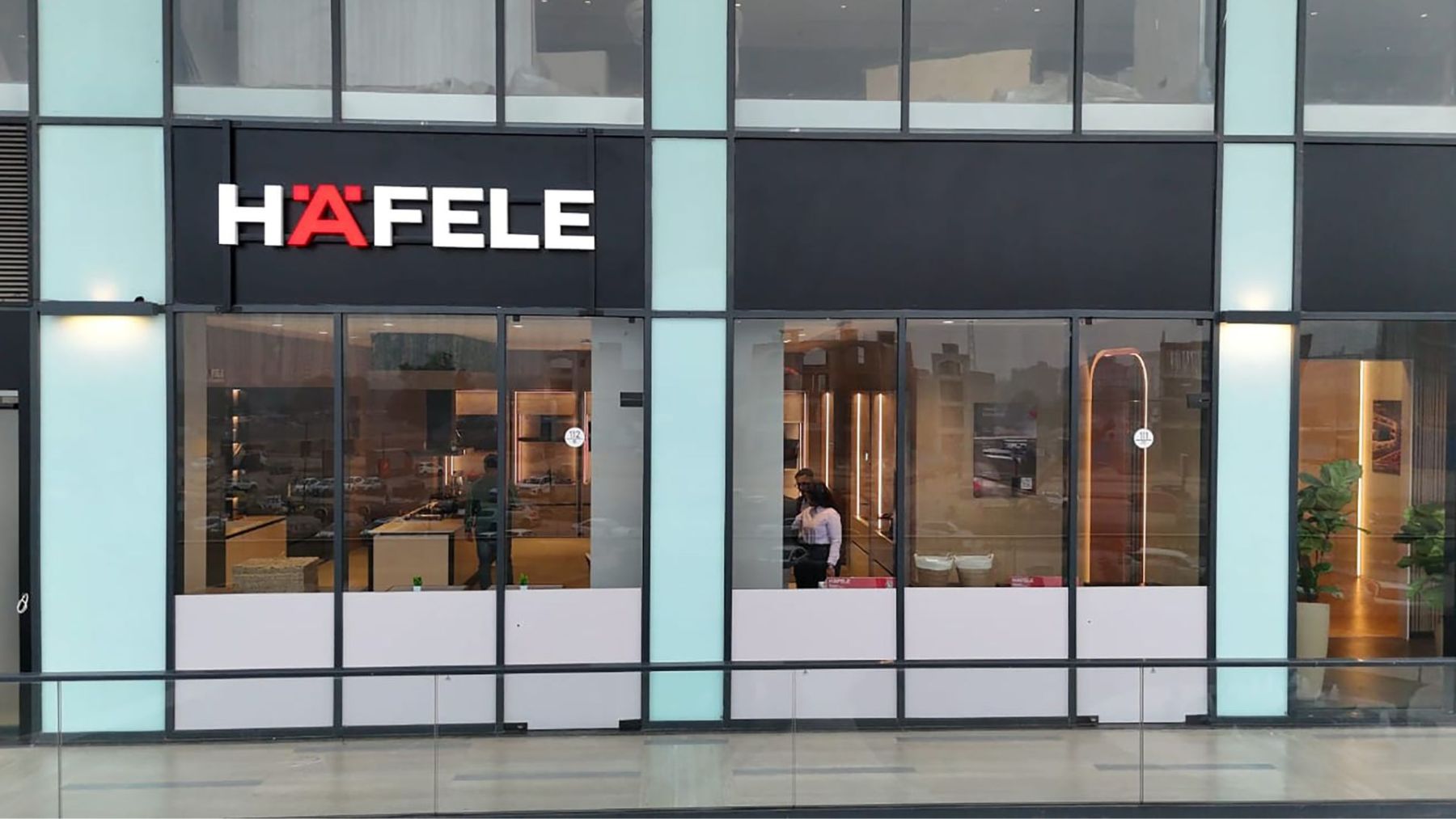
Located at M3M 65th Avenue on Golf Course Extension Road, the design centre is the
company’s largest facility in India and its ninth nationally. The format reflects a broader
shift in the building products sector — from category-led display showrooms to integrated solution environments that mirror real project execution.
Integrated Applications, Not Product Counters
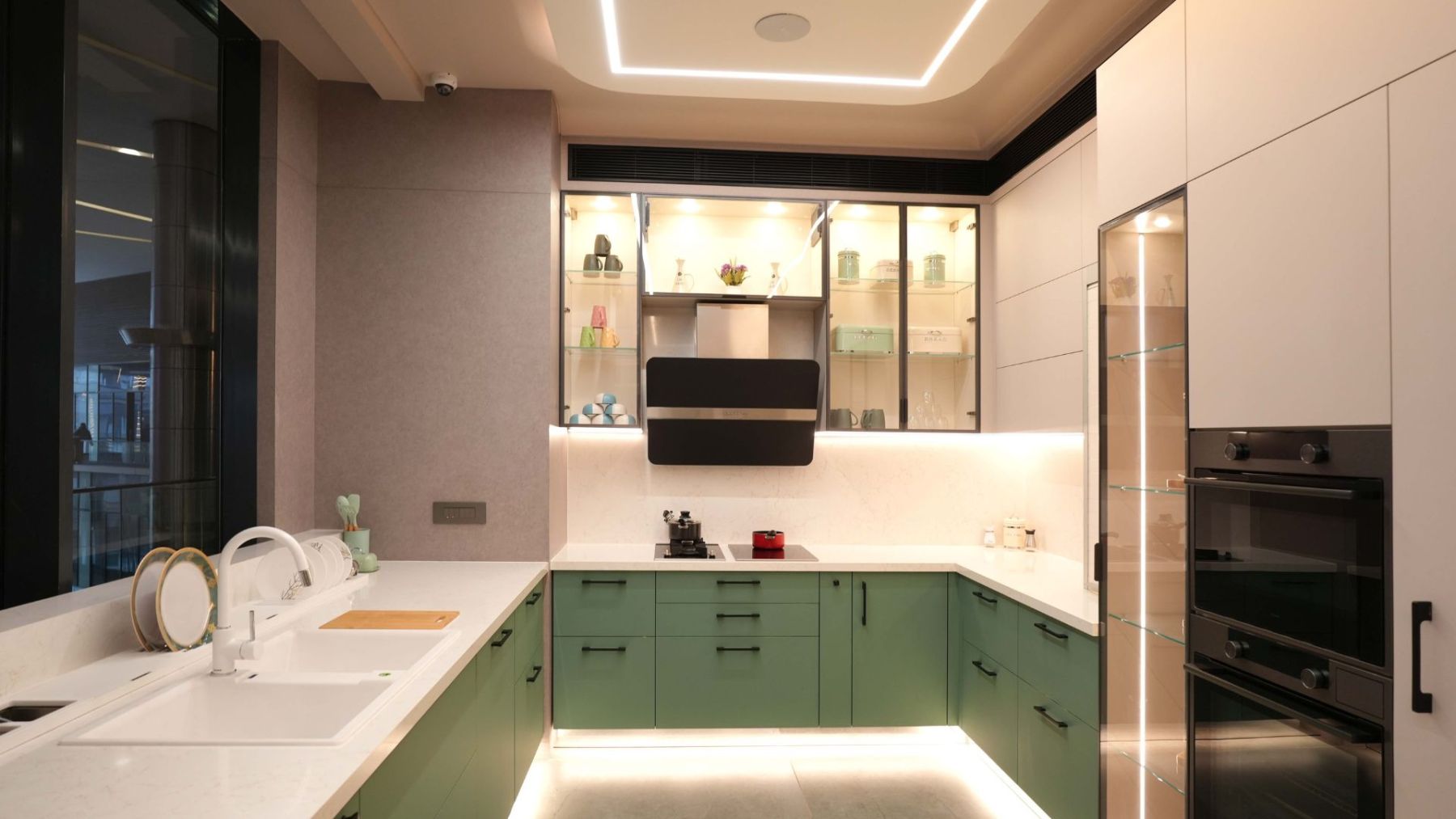
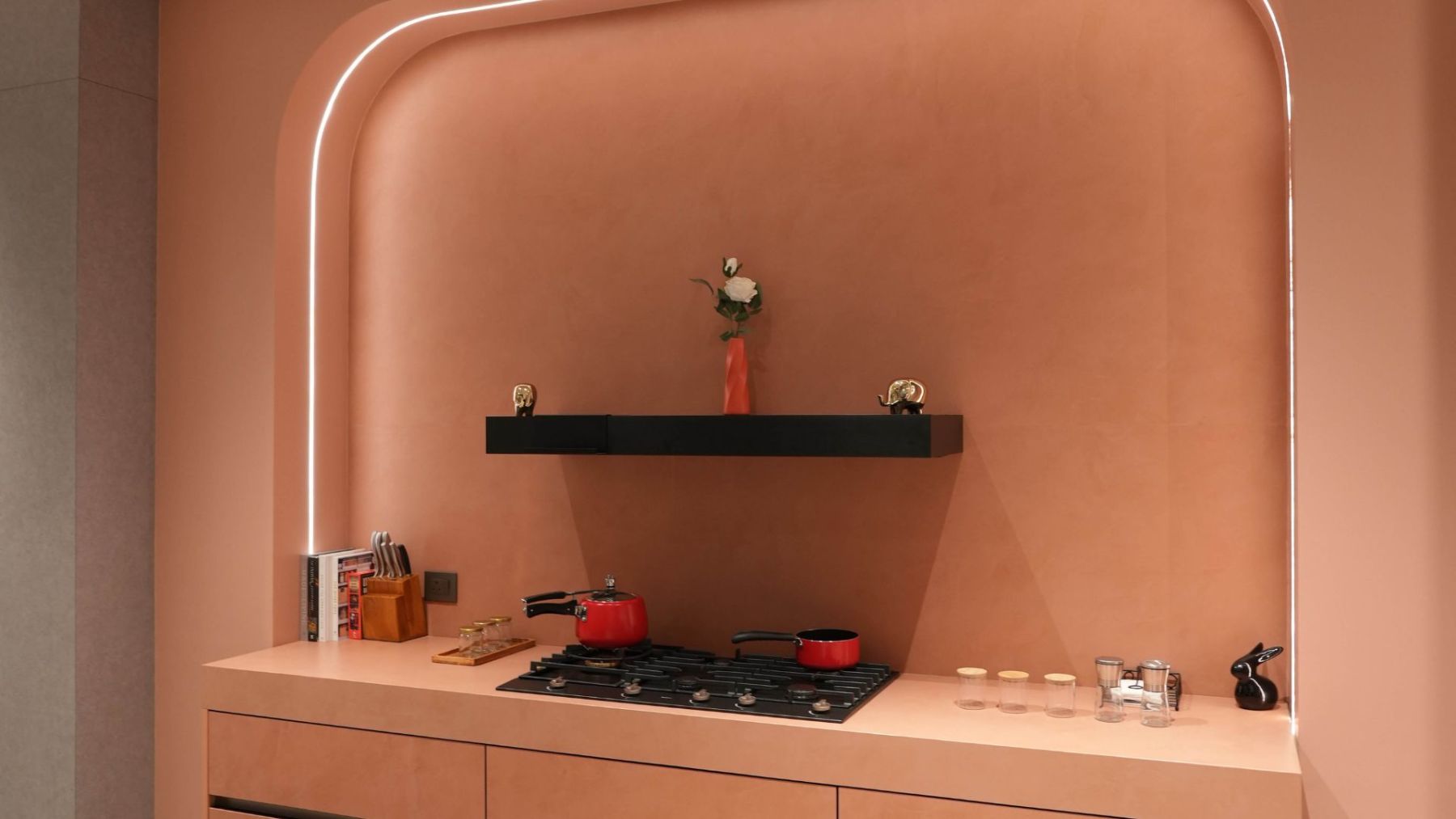
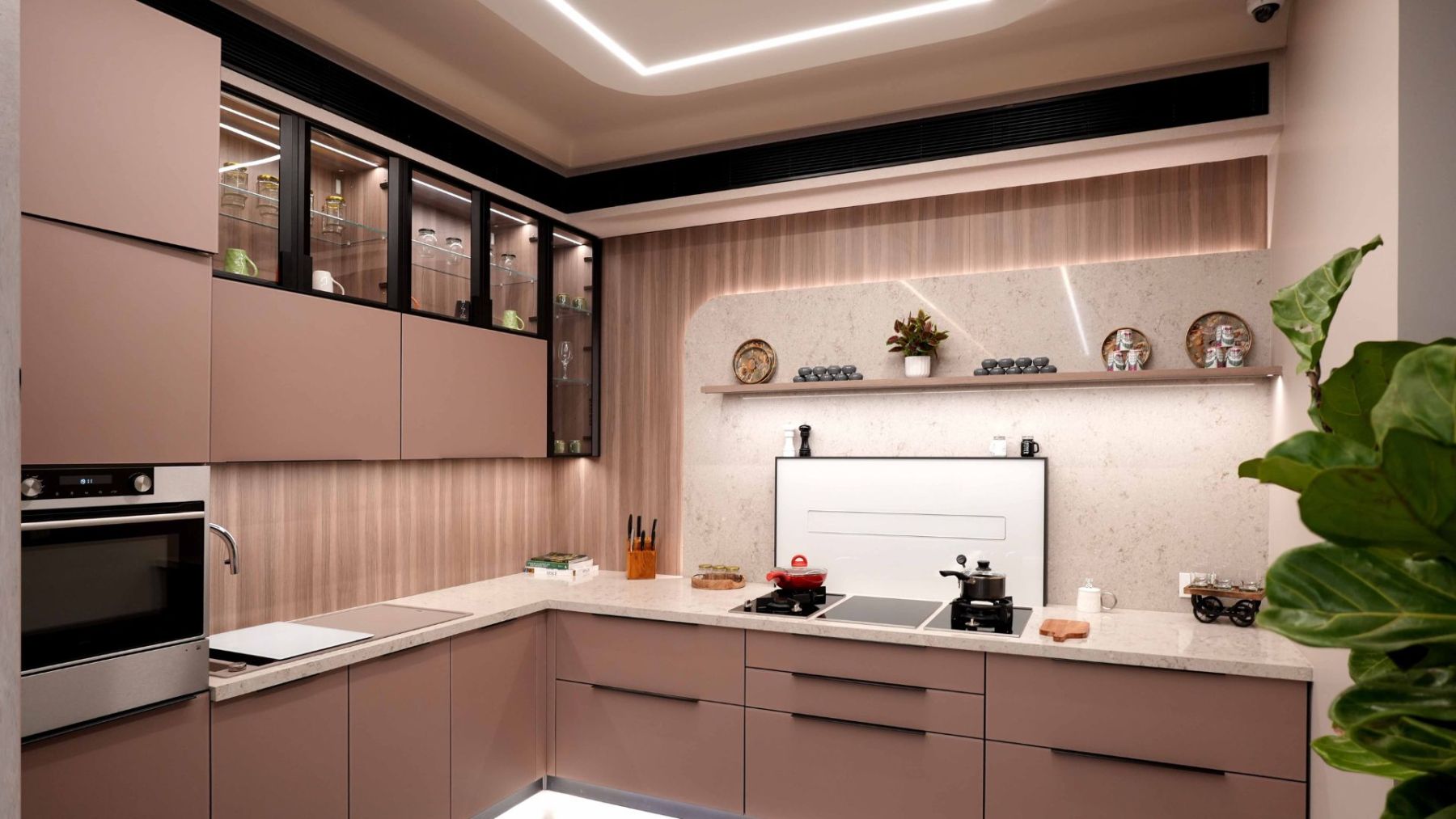
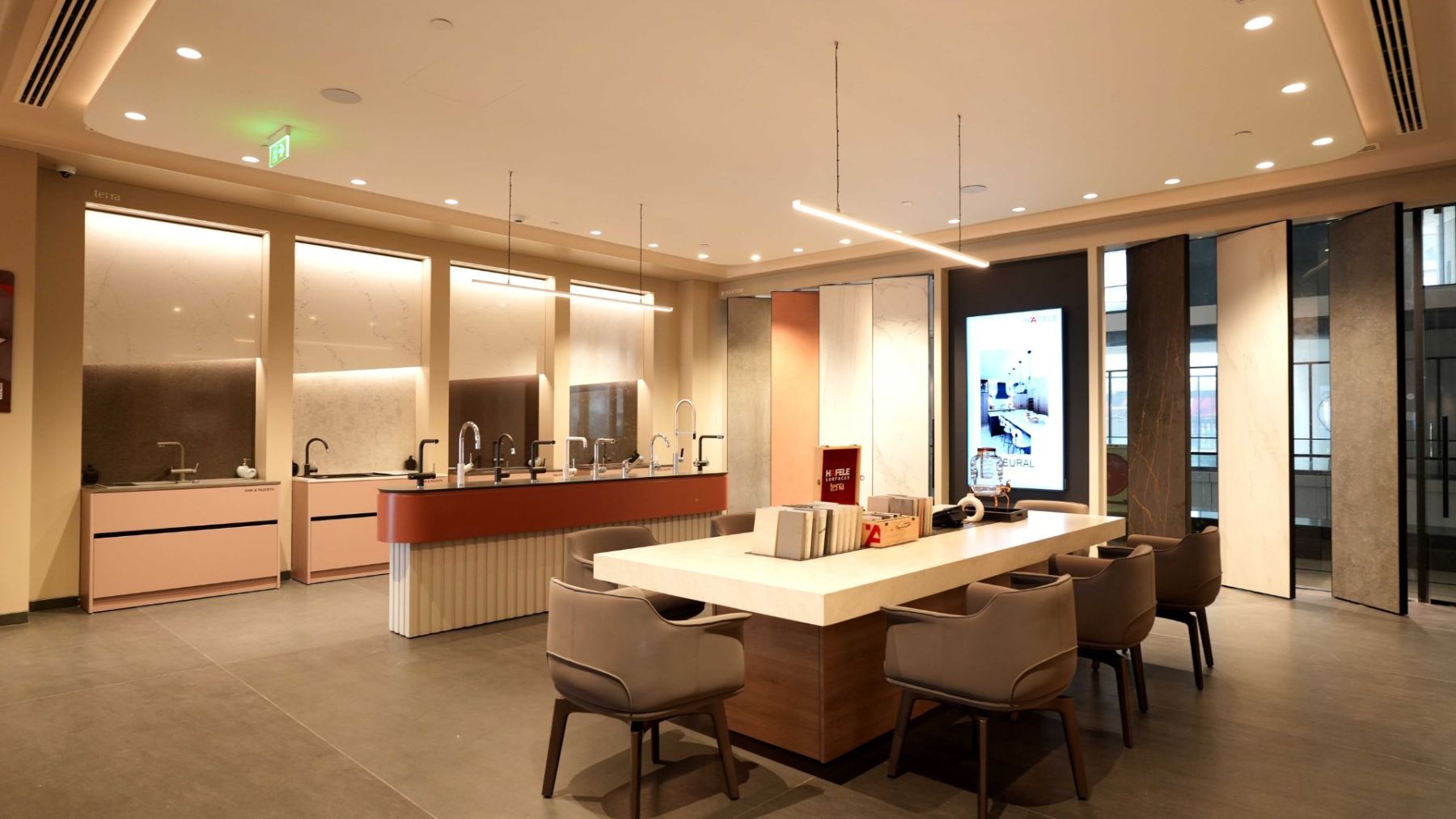
The Häfele Gurugram flagship design centre has been organised around complete application settings rather than standalone product bays. Seven kitchen environments
form the core of the layout, supported by coordinated living, bedroom, wardrobe and
bathroom zones. Built-in appliances, architectural and furniture lighting, surfaces and
sanitary solutions are presented in integrated combinations.
This structure aligns with how projects are increasingly specified. Hardware, appliances,
lighting and finishes are rarely selected in isolation. For kitchen manufacturers and the
architect–interior designer–contractor (AIDC) ecosystem, the integrated format allows
assessment of compatibility, detailing and performance within a single environment.
In practical terms, such consolidation can reduce coordination friction during the specification stage, particularly in premium residential and mixed-use developments.

Kitchens as a Strategic Growth Driver
The expansion of the Häfele design centre also intersects with a structural shift within
the interiors industry: kitchens are increasingly emerging as a value anchor in residential
projects.
In organised interior formats, kitchens now account for a disproportionate share of project spend relative to floor area. As urban customers move toward integrated cooking, storage, lighting and appliance ecosystems, the kitchen has transitioned from a functional utility zone to a specification-intensive investment category.
This shift has commercial implications. Higher customer spend in kitchens places greater
scrutiny on integration quality, hardware performance, appliance coordination and lighting logic. For manufacturers and design firms, margins and brand positioning are increasingly influenced by how effectively these layers are aligned.
In that context, the Häfele Gurugram flagship design centre can be viewed not merely as
a retail expansion, but as a strategic response to where value concentration is occurring
within the home interiors business. Integrated demonstration environments reflect the
rising economic weight of the kitchen within overall project budgets.
As organised interiors scale and customer expectations mature, the ability to consolidate specification, advisory and product ecosystems around the kitchen may become a defining competitive lever.
Technical Advisory Capability
A distinguishing feature of the Gurugram design centre is the technical depth demonstrated by the on-floor team.
Discussions extend beyond aesthetics into functional parameters — load-bearing capacities, installation tolerances, appliance integration requirements, lighting lux levels, surface suitability and maintenance considerations. Cross-category queries are addressed directly rather than redirected.
In a fragmented supply landscape, consolidated advisory capability can materially influence specification outcomes. Immediate clarity reduces revision cycles and shortens back-and-forth discussions between vendors and consultants.
Consolidating Decision-Making
The Häfele Gurugram flagship design centre has also been positioned to address a recurring industry challenge: fragmented sourcing across multiple showrooms. Architects and interior designers often coordinate separate visits for hardware, appliances and lighting, elongating client discussions. By consolidating these layers under one roof, Häfele has created a decision-consolidation space where multiple specifications can be aligned in a single visit.
Whether this materially shortens project cycles will depend on professional adoption, but the strategic intent is evident — to move from transactional product display toward integrated project engagement.
A Business Tool for Channel Partners and Consultants
Beyond brand visibility, the Häfele design centre functions as a business tool for channel
partners and consultants.
Dealers can utilise the space to host clients in an environment supported by centralised
technical expertise. Consultants and project advisors can reference live integrations to
support specification discussions, moving beyond drawings and presentations into physical validation.
In this sense, the flagship is not merely a corporate showroom; it is an ecosystem resource that partners can leverage to strengthen alignment and improve conversion quality in complex projects.
Experience Centres in a Competitive Landscape
Large-format experience centres have become more common across sectors such as automotive and consumer electronics. Within the interiors segment, effectiveness depends not only on spatial design but also on advisory capability and integration logic.
The Häfele Gurugram flagship design centre combines application-driven layouts with technical support and event-ready infrastructure. Its long-term benchmark will likely be
measured by its influence on specification depth, partner engagement and project closure efficiency.
Strategic NCR Presence
The choice of Gurugram aligns with the concentration of design studios, developers and
premium residential projects in the NCR corridor. As competition intensifies among integrated solution providers, physical engagement platforms are becoming an important lever for differentiation.
Operating in India since 2003, Häfele has steadily expanded its footprint and local capabilities. The Gurugram flagship signals continued confidence in the growth of integrated interior solutions and the professionalisation of the specification process in
India.
For kitchen and furniture manufacturers, the centre provides a consolidated evaluation
platform. For the AIDC community, it offers cross-category technical reference. For channel partners, it serves as a structured client-engagement space.
As the interiors market matures, such integrated formats are increasingly shifting from being brand statements to becoming strategic necessities.
ALSO READ