


Ashateet Saran, founder of SA Studio and a jury member for the IKC Awards 2025, shares his personal take on why in kitchen retail, the story makes all the difference. He explains how customer expectations, integrated design, and the art of presentation are reshaping the kitchen retail space.
How have customer expectations transformed the way kitchen stores are being designed to offer a more immersive and personalised shopping experience?
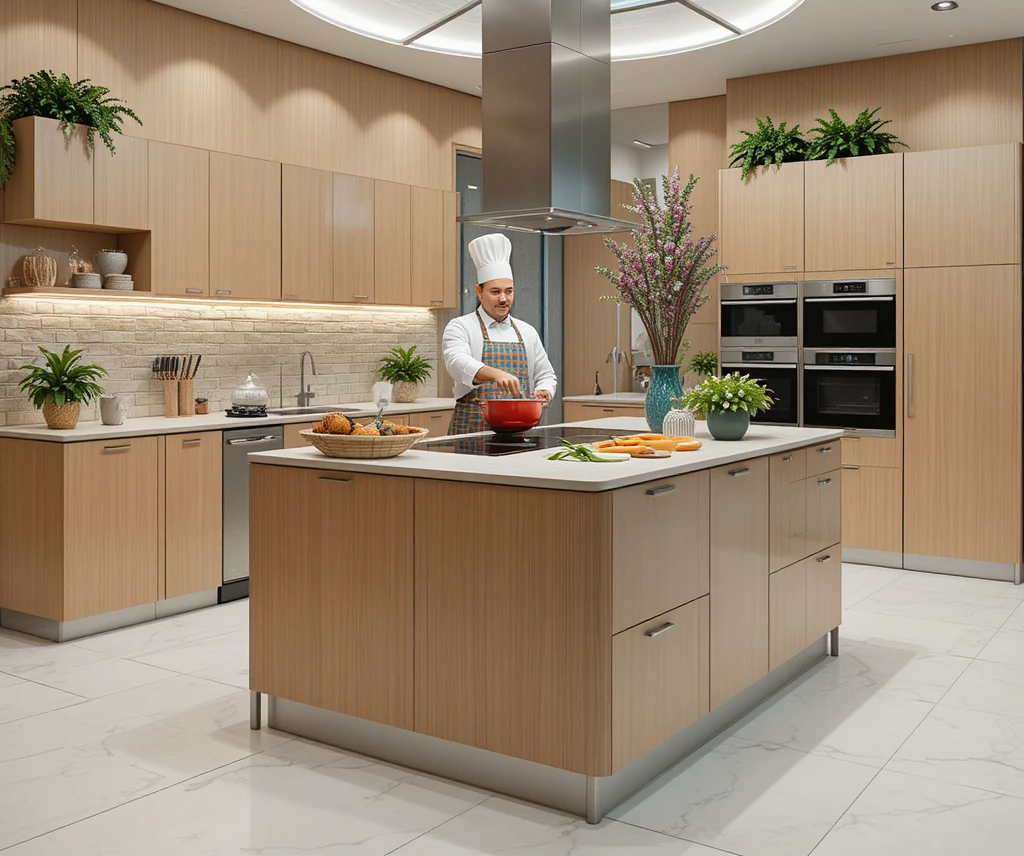
I think the biggest shift in kitchen retail has been from transaction to experience. Customers today want to feel how a kitchen works in real life, not just see it. That’s why live kitchens, demonstrations, and hands-on zones have become so important. From my perspective, personalisation is just as critical – stores need to feel more like home settings, with consultation areas where people can explore 3D layouts, try out finishes, and picture the space as their own. Storytelling is what makes all this relatable.
What role does integrated retail design play in aligning brand storytelling with functional product display and customer journey mapping?
In my view in kitchen retail, design is a silent guide – it takes the customer from inspiration
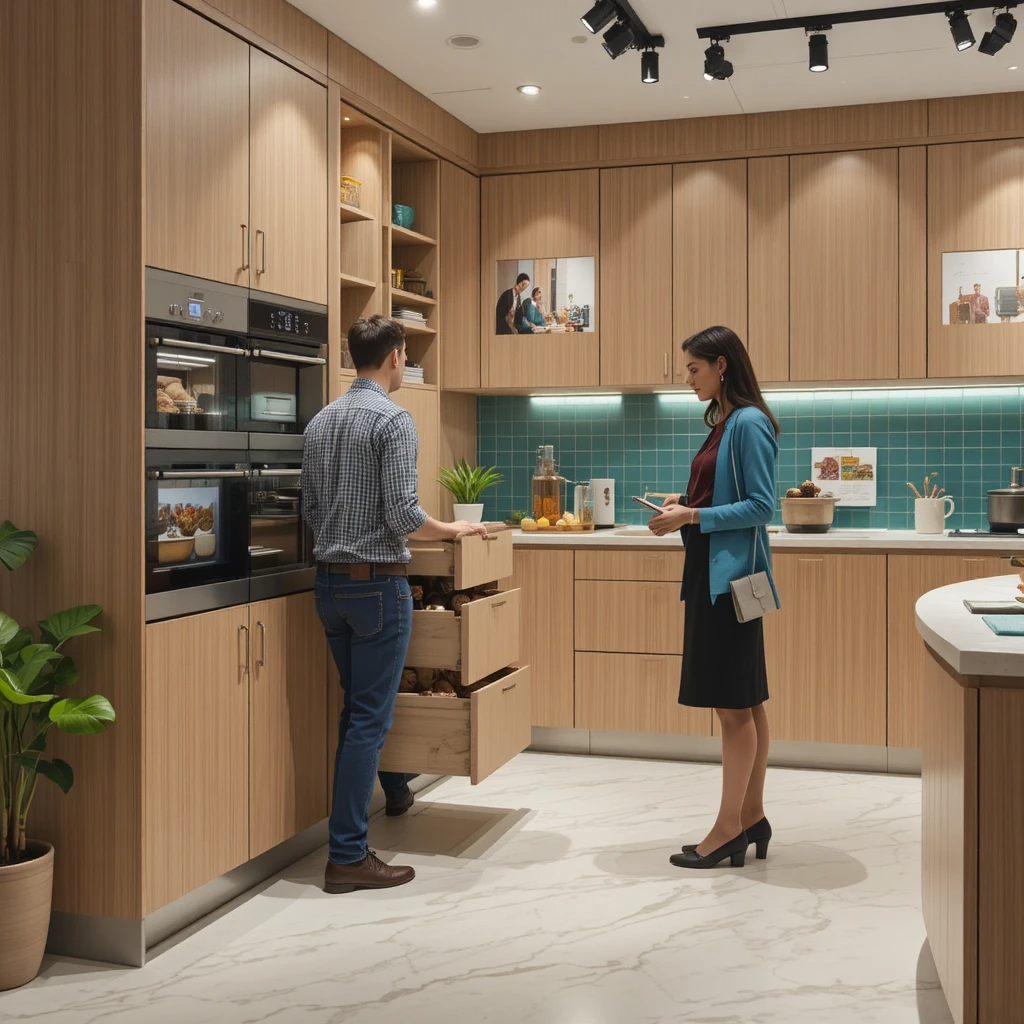
to exploration to decision making. Storytelling through lighting, signage, and zoning communicates a brand’s values in subtle but powerful ways. Integrated displays make this
real. For example, letting someone test a fully loaded pull-out drawer is not only about
functionality, it’s about building trust. And trust is the foundation of long-term brand
confidence.
How can visual merchandising be leveraged to simplify complex buying decisions while also creating emotional engagement at the point of sale?
To me, visual merchandising is where logic and emotion come together in kitchen retail. A
breakfast corner display, for instance, helps customers imagine themselves in that lifestyle.
It also simplifies choices by showing side-by-side comparisons. When smart appliances and
accessories are integrated, it’s not just about cross-selling; it reinforces the idea of a complete lifestyle.
In what ways is in-store technology helping brands improve engagement and conversion in kitchen retail?
My personal take is that technology has completely reshaped engagement. AR and VR tools
allow customers to experiment with layouts and materials, which reduces hesitation. Interactive screens enable real-time customisation, and when smart appliances are part of the setup, the brand feels innovative and aspirational. Technology is not just a support tool,
it’s a statement of intent.
What advice would you give to kitchen brands looking to use store design not just as a display platform, but as a strategic tool for differentiation and long-term brand equity building?
Store design should always be seen as a brand-building platform. The way I see it, the narrative is key – kitchen stores should function like design studios where experts co-create
dream kitchens with customers. Beyond that, I feel stores can act as community hubs, hosting workshops, demos, or influencer events. Those kinds of initiatives create emotional
connections that outlast a single transaction.
When it comes to evaluating store design submissions at the IKC Awards, how important for you as a judge is documentation—such as the design brief, concept narrative, layout rationale, and customer journey mapping?
I see documentation as critical. Even the strongest design concepts lose impact if they aren’t presented clearly. A well-prepared brief, compelling story, and thoughtful journey mapping don’t just explain a project – they elevate it. Winning an IKC Award depends not only on the idea but also on how convincingly it’s presented. Good documentation adds credibility, customer preference, and industry prestige – it could add a winning differentiator.
What would be your key piece of advice to future participants on presenting a strong, cohesive entry that highlights both the strategic intent and brand impact of their store design?
My advice is to make presentation a part of the design process itself. Professional photography, detailed documentation, and strong storytelling often make the difference
between a good entry and a winning one. Creativity matters, of course, but so does
communication. The way we frame and contextualise our work is just as important as the
design itself. So I advise that documentation should happen as the project progresses.
In the end, I wish to emphasise that the future of kitchen retail lies in blending experience,
technology, and storytelling. To me, the IKC Awards 2025 are more than just recognition—they’re a platform for designers and brands to demonstrate how they can shape the future of retail. Bold ideas drive innovation, but their real impact depends on how convincingly they’re presented. In design, as in retail, the story always makes the difference.
ALSO READ