


The way we shop for kitchens and cookware has transformed completely, and our behaviour as customers is driven by the new language of visual merchandising.
A kitchen store is no longer just a place with shelves stacked with utensils, appliances, and gadgets. Today, it feels more like a stage where ideas, culture, and lifestyle come together to tell a story. Modern visual merchandising in kitchen retail is less about showing the product and more about showing the life around it. Especially in India, where the kitchen is often the heart of the home, this change feels natural.
Not long ago, stores simply displayed everything—cooktops, mixers, ovens—with features and prices doing most of the talking. But customers today want more. They’re inspired by global design, online trends, and the dream of living a certain lifestyle. Just lining up products no longer works. The new language of visual merchandising is immersive. It helps people imagine not just what they will cook, but how they will feel while cooking—and what that says about their identity.
Brands like Häfele Studios, Godrej Interio, etc in metro cities are a perfect example of this
change. They don’t just show appliances; they create complete kitchens where you can open drawers, try out fittings, or even cook live. A simple oven is no longer just an appliance; it becomes the oven that bakes bread filling your home with warmth.
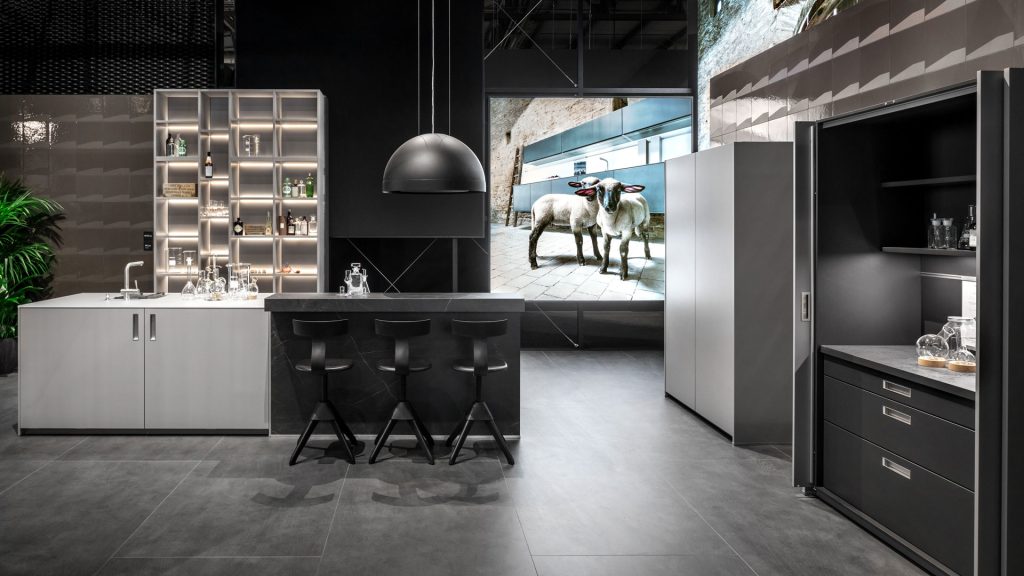
What makes these spaces powerful are the details. The wallpaper, tiles, and even the choice of switches can change the entire mood of a kitchen. Glossy subway tiles with matte black switches create a modern, urban mood, while hand-painted tiles paired with brass handles bring a traditional, homely charm. Quirky wallpapers with fruit or spice motifs combined with pastel cabinets make the kitchen playful and light hearted, while warm wooden countertops and vintage-style light switches add nostalgia, reminding people of their grandmother’s kitchens. These choices help customers visualise whether their kitchen will be sleek and international, warm and traditional, or vibrant and eclectic.
Indian kitchen retail also thrives on this balance between nostalgia and aspiration. A display with spice jars, brass serving bowls, and a neatly folded apron instantly reminds shoppers of family kitchens. At the same time, a setup with wine glasses, cookbooks, and minimal counters appeals to young professionals who want kitchens that reflect a global lifestyle. Brands like Good Earth, Nicobar and Home Centre take it further by designing seasonal displays. During Pongal, they might style kitchens with traditional vessels and sugarcane stalks, and for Eid, polished serveware might be set up for a feast.
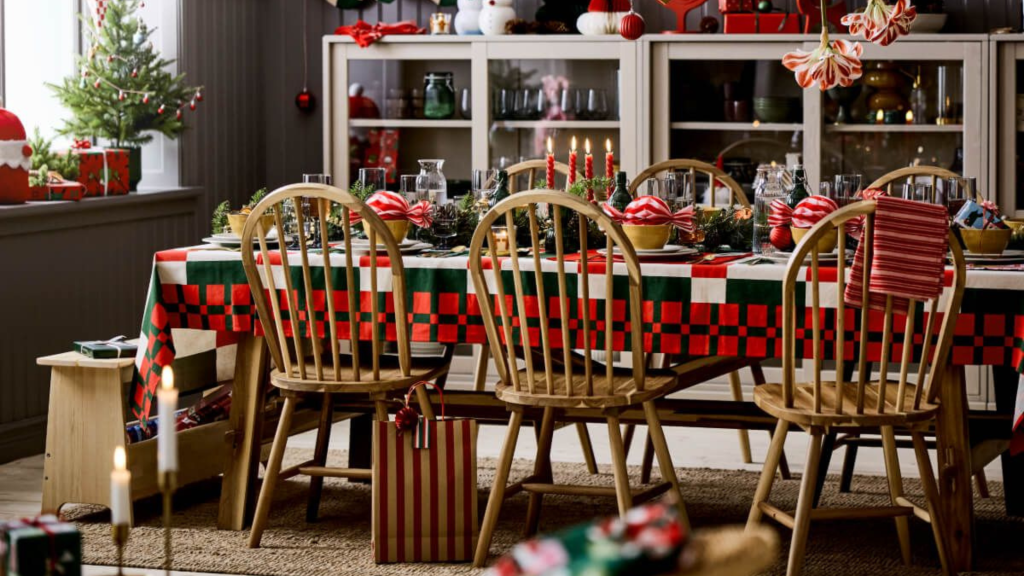
Visual merchandising not just about props but reminders of family, community, and celebration. And customers don’t just see a saucepan—they imagine themselves preparing
meals for those they love.
Another important aspect is interactivity. Customers today don’t just want to see; they want to touch, try, and play. IKEA India, for instance, allows visitors to test modular setups—like pull-out pantries or corner units—so people can experience storage solutions in real life. This sense of personalisation makes shoppers feel like participants in the design process rather than just spectators. Even packaging has become part of the storytelling. Prestige has released cookware gift packs decorated with cultural motifs and recipe cards, extending the story beyond the store and into people’s kitchens.
What ties it all together is the idea that kitchen retail is no longer about products—it is about possibilities. Every wallpaper, tile, fitting, light, and colour choice helps tell a story. For Indian customers, this matters deeply because food is never just functional. It carries emotions, culture, and pride. When done right, a saucepan is not just a saucepan—it is the memory of family dinners, the excitement of festive cooking, and the pride of hosting friends.
In a country where kitchens are the heartbeat of homes, this experiential approach is not just smart merchandising—it is the most authentic way to connect.
About the Author
Shailaja Singh, author of this article, is founder and creative director at Narrative Arc, a luxury retail experience design studio built on the philosophy of transforming stories into tangible realities. She is a design graduate and gold medallist from NIFT Bangalore.