


Visual merchandising in kitchen retail is transforming how modern kitchen stores engage customers—no longer selling products, but narrating aspirational lifestyles.
Surender Gnanaolivu
Walk past a bustling high street or a premium neighbourhood, and chances are you’ll notice kitchen retailers claiming prime real estate with a boldly branded store with premium kitchen setups. But today, the game is no longer just about showcasing cabinets and appliances—it’s about selling an aspiration. Visual merchandising in kitchen retail is stepping up as the secret ingredient, helping brands transform their stores into destinations where design, technology, and emotion collide. Here are some practical hacks that can make a big difference.
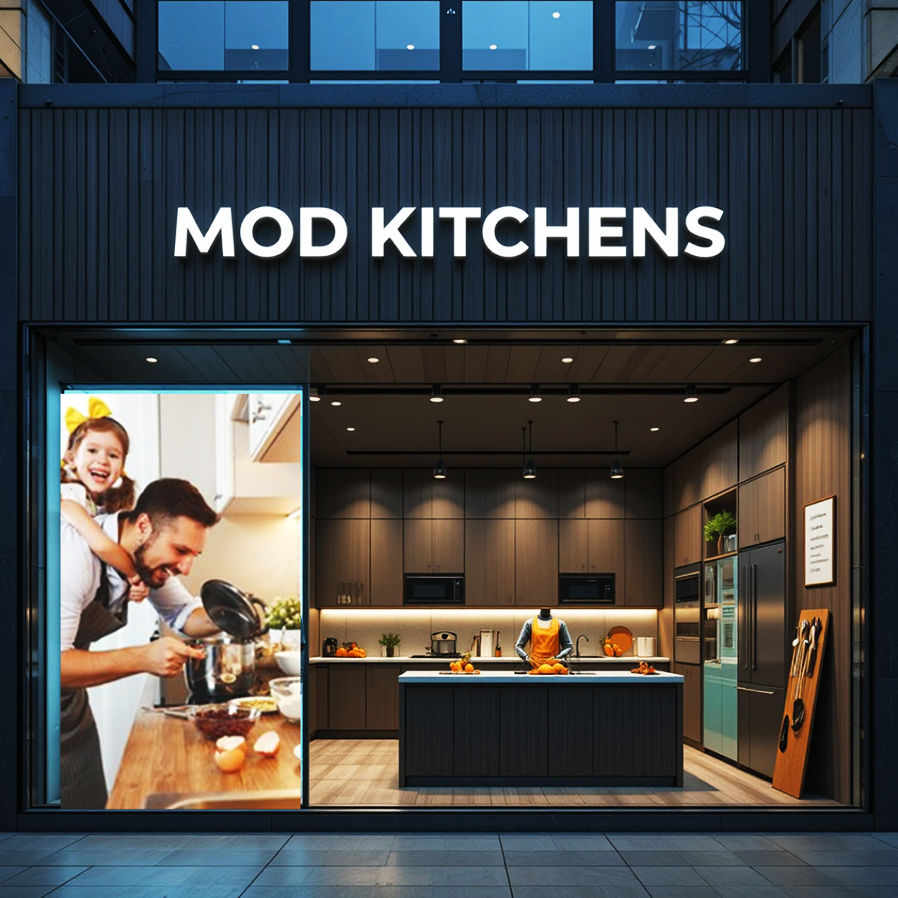
#1 Windows That Woo
In retail, first impressions matter—and for kitchen stores, the window is the hook. Gone are
the days of static displays. Today’s windows must be shoppable, interactive, and deeply
expressive of brand ethos. Whether it’s highlighting sustainability, showcasing cutting-edge
design, or presenting clever storage, the window now does double duty: stopping shoppers
in their tracks while inviting them to imagine their dream kitchen.
Digital screens take this a step further. They allow retailers to overcome the limits of space by showcasing not only product features but also the emotions those products evoke. A close-up of a whisper-quiet dishwasher, a film of a family laughing over Sunday brunch-these stories transform storefronts into moments of life. In just a few square feet, windows and screens together let brands project not specs, but dynamic stories that bring entire lifestyles vividly to life.
#2 Selling Solutions, Not Just Cabinets
Once customers step inside, the real storytelling begins. Shoppers aren’t just hunting for
countertops or ovens – they’re searching for solutions to everyday frustrations. Visual
merchandising (VM) that highlights how modular storage can free up cramped spaces or
how built-in appliances can simplify daily routines creates instant resonance. The trick is to
replace technical jargon with relatable scenes: a sleek island doubling as a family hub, or a
pantry layout that solves the chaos of city living. The fulfilling journey can be made to be
less about selling products, more about solving problems.
#3 Touch, Try, Trust
In kitchen retail, engagement is the bridge to conversion. Customers who can pull out a
drawer, test a soft-close hinge, or try a high-performance blender are more likely to buy.
These tactile experiences build confidence—turning what could have been a hesitant browser into an invested buyer. The need is to create as many opportunities as possible to
encourage customers to interact to create a stronger emotional connection with the brand.
#4 VM as Silent Service
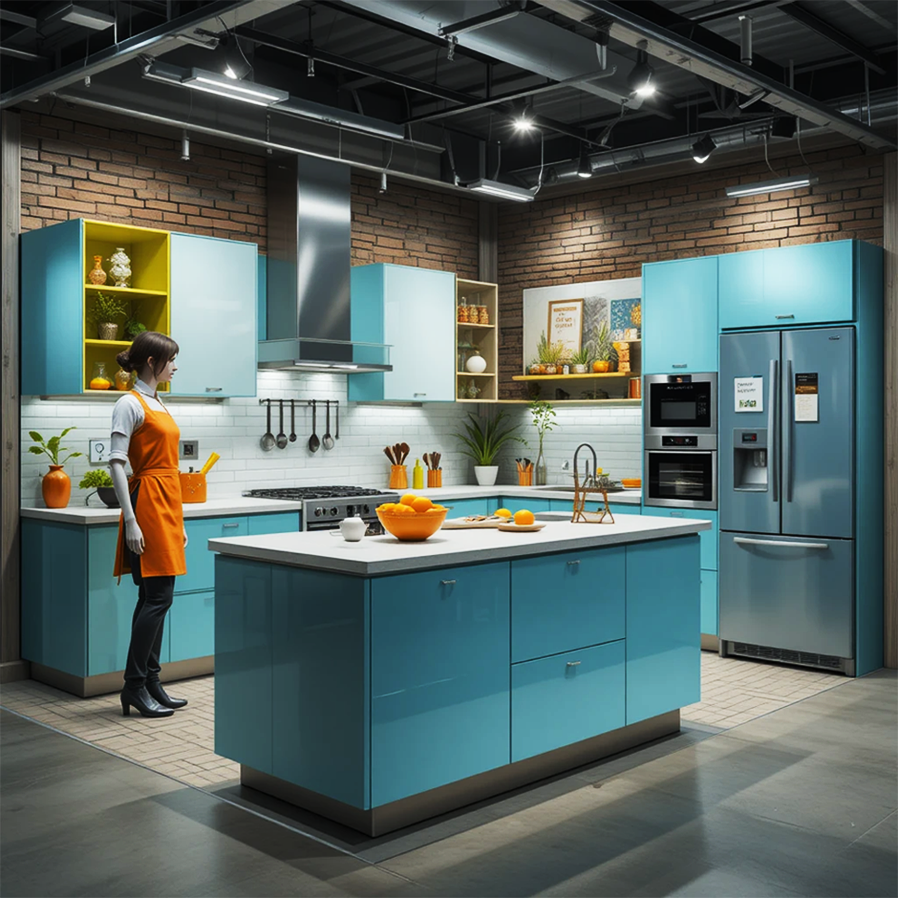
Visual merchandising in kitchen retail isn’t just about aesthetics—it’s also a powerful customer service tool. By clearly laying out how products work, or curating them into lifestyle vignettes, retailers help shoppers cut through complexity. A well-designed store makes customers feel informed without being overwhelmed, turning what could have been a confusing process into a seamless, empowering journey.
Crucially, this also frees up human staff to focus on higher-value conversations. Instead of spending time explaining basic features, sales associates can dedicate their energy to customisation, lifestyle fit, and personal recommendations. In essence, VM does the groundwork, while people bring the warmth and personalisation—making service faster, more efficient, and far more customer-centric.
#5 Tech-Powered Decisions
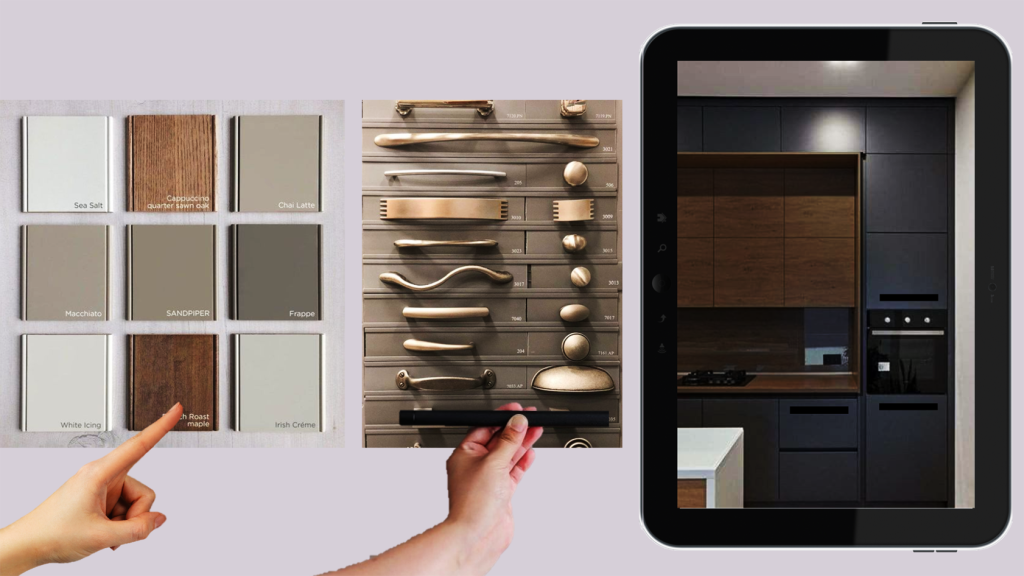
The latest frontier? Technology that personalises the shopping journey. From augmented
reality (AR) that visualises a kitchen layout at home to AI-driven product recommendations, these tools enable smarter, faster decisions. For retailers, the payoff is significant: fewer returns, stronger brand loyalty, and a healthier ROI.
The message is clear—investing in tech-powered VM is not a cost, it’s an accelerator of
growth.
#6 Designing with Discipline
Successful VM thrives on discipline as much as design. Every display should be planned in
detail, documented through guidelines, and photographed to create a clear reference for
execution. By measuring impact—whether through shopper dwell time, sales lift, or staff
feedback—retailers gain insights into what works and what doesn’t. This cycle of planning,
documenting, tracking, and refining ensures VM is not static décor but a living strategy that
continually boosts productivity and customer relevance.
Conclusion
Visual merchandising in kitchen retail turns offline presence into more than a store – it
becomes a lifestyle showcase, planned and measured to inspire, engage, and empower staff while delivering memorable, efficient, and customer-centric experiences.
About the Author:
Surender Gnanaolivu is passionate about shaping meaningful retail experiences and sharing stories from his three-decade journey in curating retail experience design for many brands across categories in India and overseas. He enjoys exploring how stores can inspire, connect, and add value beyond shopping.
ALSO READ