Bathroom renovation in India remains a largely unorganised category despite the size of the market. MakeMyBath, a new vertical from the Homevista Group, is trying to make the process more predictable by putting diagnosis before demolition and bringing the renovation under one execution team.
The idea came from the company’s experience in the home interiors market. It saw renovation as a large opportunity, but bathrooms as one of the more difficult parts of the market to serve. According to the company, nearly 10 million homes come up for bathroom renovation every five years, but less than 10% actually go through with it.
MakeMyBath is approaching the opportunity as both a renovation service and a retail business. While the model is currently being piloted in Bengaluru, the company is preparing to open its first flagship store in the city and eventually expand through a franchisee network.
Speaking to Sourcing Hardware, Co-founder Tanuj Choudhry and MakeMyBath business head Swati Santani said the problem was not demand but the difficulty of executing the work predictably. Choudhry put it simply: “In this industry, the solution is more painful than the problem.”
The Homevista Decor and Furnishings group also operates HomeLane and DesignCafe. HomeLane reported revenue of Rs 756 crore in FY25, up 22% from the previous year. In 2024, HomeLane acquired DesignCafe in a share-swap transaction that valued the combined entity at Rs 3,000 crore and raised Rs 225 crore from investors including Hero Enterprise, Claypond Capital, WestBridge Capital and Mirabilis. HomeLane has also counted investors such as Peak XV Partners, Accel and Pidilite Industries among its backers.
Why Bathroom Renovation in India Is Still Difficult
The difficulty often begins before renovation work even starts. Customers may not know what needs to be fixed, while contractors and plumbers usually provide only an approximate scope and cost before the existing bathroom is opened up. Problems are often discovered only after demolition begins, potentially changing both the timeline and the cost, Santani said.
According to her, this turns renovation into a “discovery process” for customers, making it difficult to know what the project will ultimately involve.
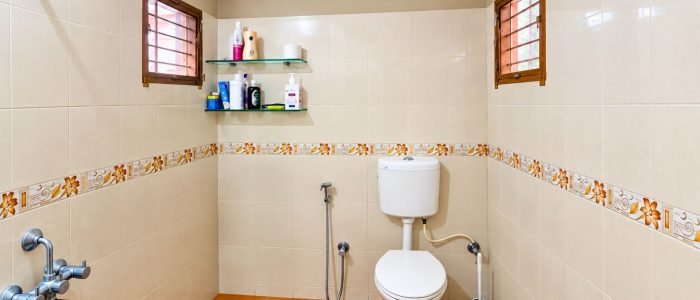
The problem becomes more complicated in older homes, she said. Many of the homes coming up for renovation are 20–25 years old, where plumbing layouts and materials were different from those used today. Seepage and water leakage are among the biggest problems the company encounters, with some issues remaining hidden for years before becoming visible.
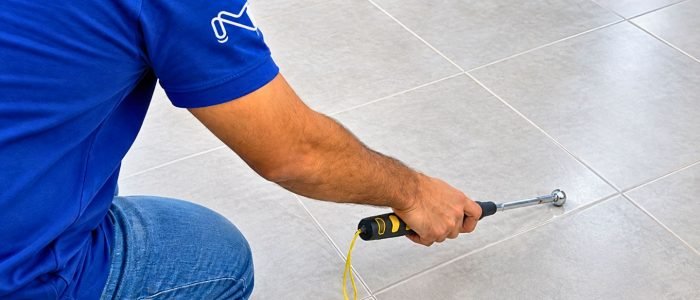
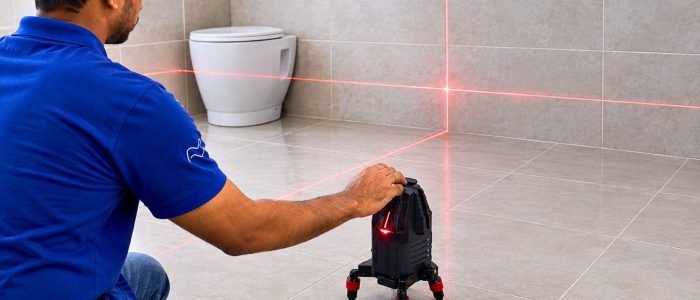
MakeMyBath is therefore trying to move diagnosis earlier in the renovation process. The team uses thermal imaging cameras, moisture meters and laser tools to assess walls and surfaces and identify moisture-related problems before demolition.
The objective is not simply to identify problems, but to give customers a clearer understanding of the intervention required before work begins. Santani said customers receive an inspection report, images and a detailed quotation as part of the initial process.
Making Bathroom Renovation More Predictable
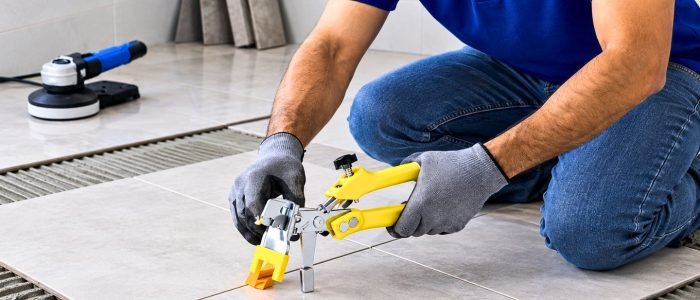
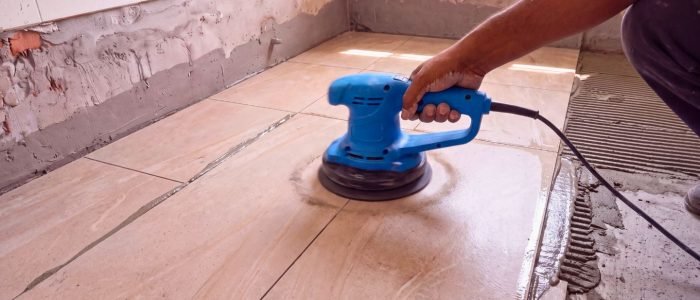
The challenge does not end with diagnosis. Bathroom renovation in India involves several stages that have to be completed in sequence, while the customer continues to live in the same home. Plumbing, plastering, waterproofing, tiling and fixture installation involve different teams and skill sets, making coordination a critical part of the process.
MakeMyBath has set a 30-day execution timeline for the renovation. The work follows a stepwise SOP covering each stage. The package includes tiles and fixtures, with the company tied up with brands across price segments while giving customers a defined catalogue to choose from.
The execution period begins once the technical details, tiles and fixtures have been finalised. The company has also taken the view that reducing the timeline cannot come at the cost of critical checks.
Santani said contractors often talk about completing a bathroom renovation in 21 or 24 days, but MakeMyBath does not want to cut corners. Waterproofing, for example, is tested for a minimum of 48 hours rather than being rushed through in 24 hours. The additional time, she said, is intended to help avoid problems over the next 10–15 years.
For a category where customers are often living through the renovation, the promise is therefore not simply speed. It is knowing what will happen, when it will happen and what disruption the customer should expect.
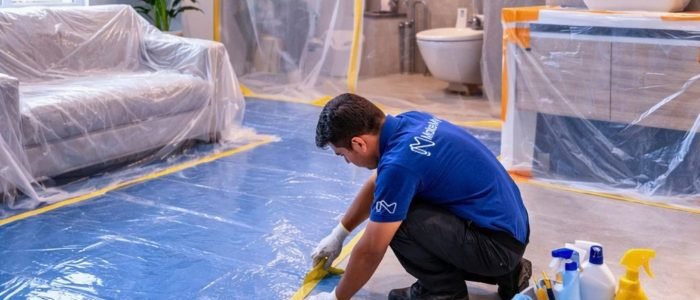
That disruption is another part of the problem. Choudhry said a typical renovation can mean dust, noise and disruption across the house. MakeMyBath therefore tries to isolate the work to the bathroom and uses plastic covering across the house to reduce the impact.
He added that the company has taken cues from businesses such as Asian Paints and practices in other countries, and found that these smaller details could be more important to customers than expected.
The company is also trying to make disruption more predictable by scheduling the work in advance through a strict SOP and keeping customers informed about what is coming up. If there is a delay, MakeMyBath offers a delay penalty to the customer.
The model is backed by a five-year warranty on the service. Santani said the warranty covers service-related areas such as waterproofing and tiling quality, while Choudhry said leaks are assessed to determine whether they were caused by misuse or the company’s workmanship.
Together, these measures point to a broader attempt to standardise a renovation process that is typically fragmented across contractors, plumbers, material suppliers and installers.
The emphasis on process and predictability also reflects a wider challenge in scaling home interiors, where HomeLane’s Co-founder Srikanth Iyer has argued that customer trust has to be earned through consistent execution.
Technology as Part of the Operating Model
The use of technology also extends beyond the physical diagnosis of a bathroom. Choudhry said AI is being used across marketing, sales, the website and order management, while Santani said it is also helping reduce the administrative work involved in tracking and moving information between teams.
The intent is to keep bath advisors and project managers focused on customers and execution rather than administrative work. For MakeMyBath, technology is therefore being used less as a customer-facing feature and more as part of the operating system behind the renovation process.
Early Traction Builds Around Apartments
The early demand is coming largely from 2BHK and 3BHK homes, according to Choudhry. Apartments have therefore become an important part of the company’s early approach.
Choudhry said Bengaluru, where MakeMyBath is currently piloting the model, has a large apartment base, but the bigger advantage is the ability to build demand within a community. The company has already run events in apartment complexes, with its first customer from one such community going on to refer other customers.
This gives the apartment model another role beyond simply providing a concentration of potential customers. A single renovation can become an entry point into an entire residential community, allowing the company to build demand through referrals and visibility within the same complex.
Choudhry said MakeMyBath had been in full flow for around five months, completing about 40 bathrooms in the initial months, followed by 50 and then 67. It has booked 260–270 orders so far. “The average order value is around ₹2 lakh per bathroom, while the number of bathrooms being renovated per home has increased from about 1.2 initially to two,” he added.
Scaling the Model Carefully
MakeMyBath is still refining the model before taking it to more cities. Choudhry said the company is deliberately moving slowly because “the small parts make a difference”, from stopping leaks to dealing with issues that emerge late in a project. The focus, he added, is on building confidence in the customer experience before scaling further.
The next step is to take this service-led model into a physical retail format. The first MakeMyBath flagship store coming up in Bengaluru will therefore be an important test of how the model works in a physical retail environment.
The store will be franchisee-owned and company-operated, with the franchisee investing in the studio while MakeMyBath runs the operations. Choudhry described the approach as “asset light” and said the company plans to expand through a franchisee network across
cities. The company also plans to build a playbook that dealers and franchisees can take up as it expands into new cities.
That makes consistency the bigger challenge as the company scales. A structured process can make renovation more predictable in one location, but carrying that experience across franchisees, contractors, suppliers and different housing conditions will be central to the next phase of the model.
For MakeMyBath, the larger test will therefore be whether a more structured renovation process can change how customers think about the category and whether the company can deliver that experience consistently as it moves beyond its Bengaluru pilot.
As Santani put it, the company’s broader aim is to make customers “start looking forward to renovating their bathrooms, instead of dreading it the way they do today.”

–
ALSO READ