
Pepperfry is expanding beyond its furniture-led business as it looks to build a broader home-products marketplace, while giving its retail partners a larger role in selling the expanded assortment. The Pepperfry home marketplace now extends across furniture, décor, furnishings, lighting, mattresses, kitchen and dining and other home categories, under its new “Fashion for Your Home” positioning.
The marketplace now spans more than 100,000 products across 150+ categories and includes more than 100 D2C and boutique design brands. More than 60% of Pepperfry’s transactions now come from home décor and home goods, according to the company.
The diversification comes as Pepperfry navigates a changing financial trajectory. The company reported turnover of ₹164.2 crore in FY25, down from ₹188.9 crore in FY24. It subsequently recorded its first profitable quarter in Q4 FY26, even as it continues to expand its retail footprint and broaden its home-products marketplace.
Kulbhushan Atkar, Chief Revenue Officer at Pepperfry, told Sourcing Hardware that the change reflects a larger shift in how Indians think about their homes. “Our homes have become a direct extension of our personal style, evolving tastes, and individual stories,” he said.
Building the Pepperfry Home Marketplace Beyond Furniture
Pepperfry’s broader proposition is built around its ambition to “democratize this design-led lifestyle” for Indian consumers. Atkar said the company wants to offer a “massive, highly curated catalogue to discover, experiment, and own”, bringing together products and brands across different styles and price points.
The marketplace includes D2C and boutique design brands such as Orange Tree, Kapoor Lampshades, Chumbak and Jaipur Rugs. Atkar sees these design-led brands and high-frequency home accessories as an important part of Pepperfry’s opportunity as the marketplace expands.
The proposition is also being built across multiple channels. Along with Pepperfry.com, customers can access the assortment through its 140+ Experience Studios and newer commerce platforms, including quick-commerce apps. The aim, Atkar said, is to create a “seamless ecosystem where modern design meets everyday living.”

The company has also brought the new positioning into its brand communication, with Kiara Advani and Sidharth Malhotra as its brand ambassadors. Atkar described them as representing the new generation of Indian homeowners — “urban, discerning” consumers looking for homes that are stylish, functional and personalised.
Consumer Behaviour is Changing
The strategy is being shaped by a change in how consumers buy for their homes. Pepperfry’s Home Report Card 2025 found that “living rooms emerged as the most socially expressive space in Indian homes”, with living-room furniture seeing higher engagement as consumers made more planned upgrades. It also found that sofas are now being replaced roughly once every four years.
Atkar said home retail was traditionally treated as a “utilitarian, functional chore”. Consumers are now approaching home design with greater self-expression and curation, much like they do with their personal wardrobe.
“Home decoration is no longer a stagnant, one-time investment,” Atkar said. Consumers are increasingly making seasonal and style-led changes through décor, lighting, textiles, wall accents and tableware.
He sees three changes behind this shift: the rise of the high-frequency home shopper, greater comfort with digital discovery and the premiumisation of everyday spaces.
“Indian consumers have become incredibly sophisticated digital shoppers,” Atkar said, with consumers increasingly comfortable browsing wider assortments online and discovering global aesthetics through social media.
At the same time, “visual appeal is now a non-negotiable priority,” he said, as rising aspirations across metros and Tier 2 and Tier 3 cities drive greater attention to the look and feel of everyday spaces.
For Pepperfry, this means the opportunity is no longer limited to selling a sofa, bed or dining table every few years. The larger opportunity is to become part of the consumer’s ongoing home-shopping journey, with the Pepperfry home marketplace extending the relationship into more frequent purchases.
Building the Proposition Around Choice and Fulfilment
With its broader assortment, Pepperfry is focusing on curating different styles, price points and design sensibilities across furniture, décor, furnishings, lighting, mattresses, kitchen and dining and other home categories. Its partnerships with premium and emerging D2C brands
bring new aesthetics, materials, styles and trends to the marketplace.
The approach also extends to the wider partner ecosystem. Pepperfry works with brands, manufacturers and service partners, using technology, defined processes and quality standards to bring greater consistency to the customer experience. The company also owns
the post-order fulfilment journey, including its warehouses, supply chain, logistics and assembly services.
Retail is the Implementation Layer
Pepperfry is using its physical network and omnichannel model to put this broader strategy into practice.
The company currently has a physical presence across 80 cities and plans to add 35 new stores during the festive season, taking it closer to its near-term ambition of more than 250 physical retail outlets across India.
At India Kitchen Congress 2026, Pepperfry founder and CEO Ashish Shah had earlier discussed the role of franchising, customer experience and technology in building a scalable national retail network.
The stores are also changing in role. As Pepperfry expands beyond furniture, its physical locations are becoming more commerce-enabled, allowing customers to access the company’s wider marketplace assortment rather than being limited to products displayed in the store.
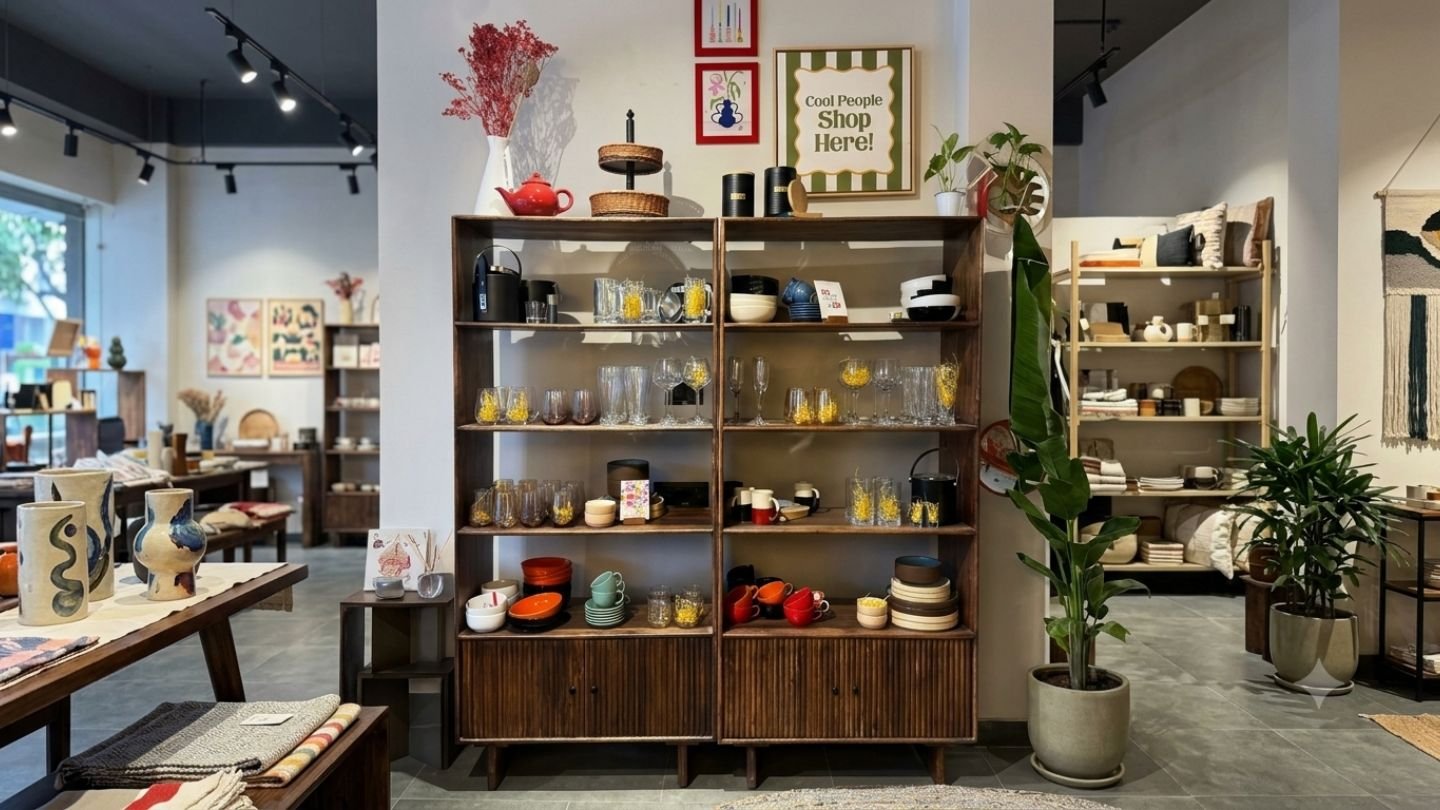
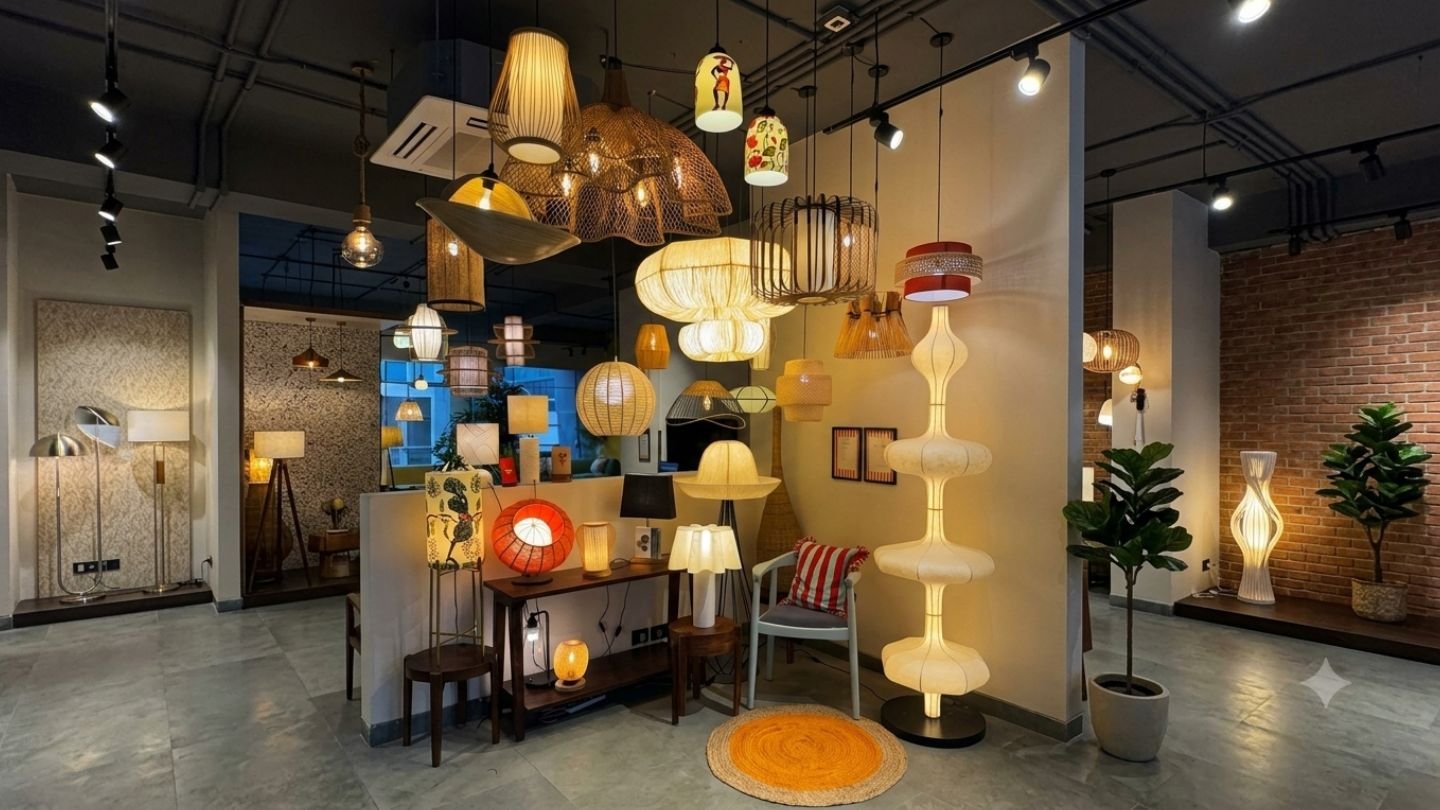
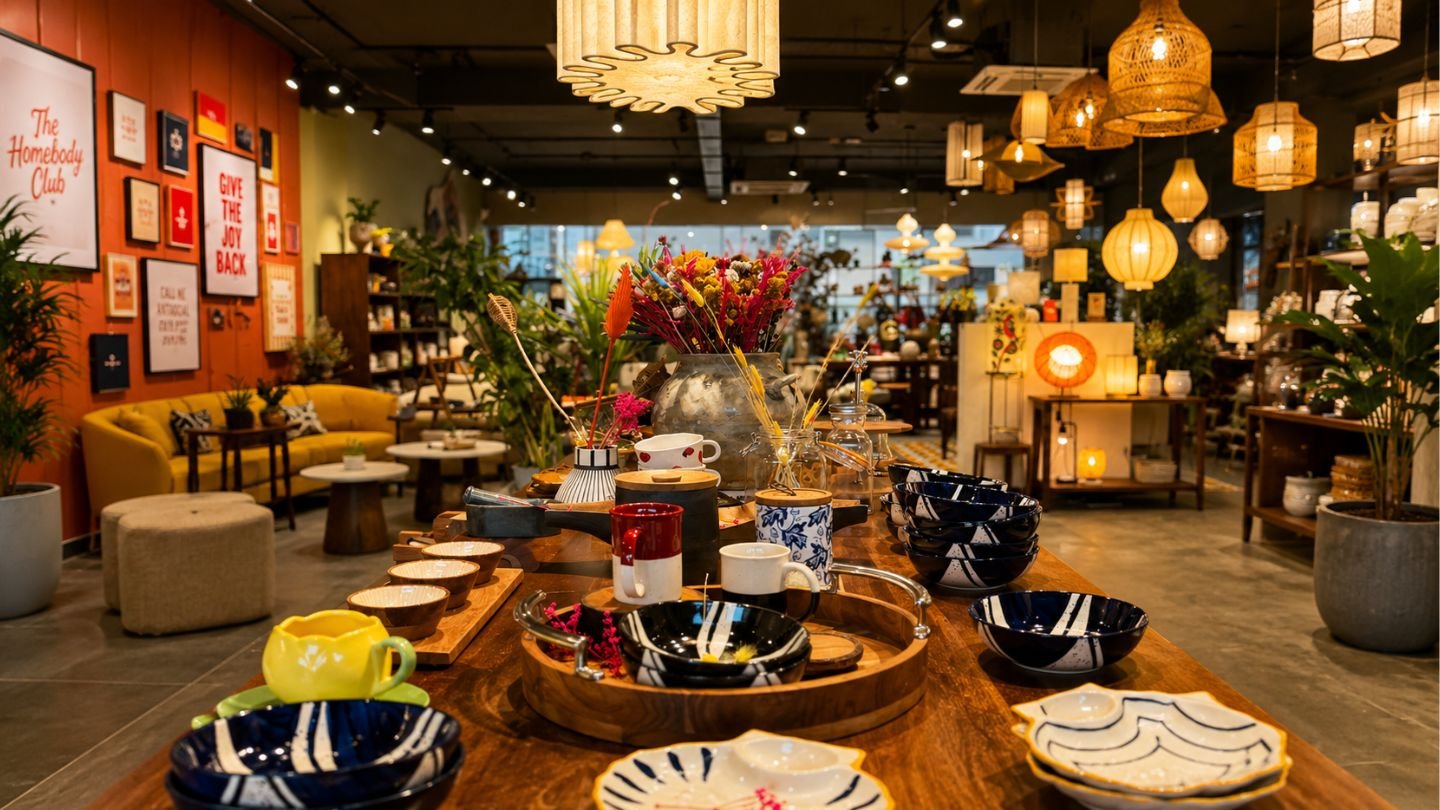
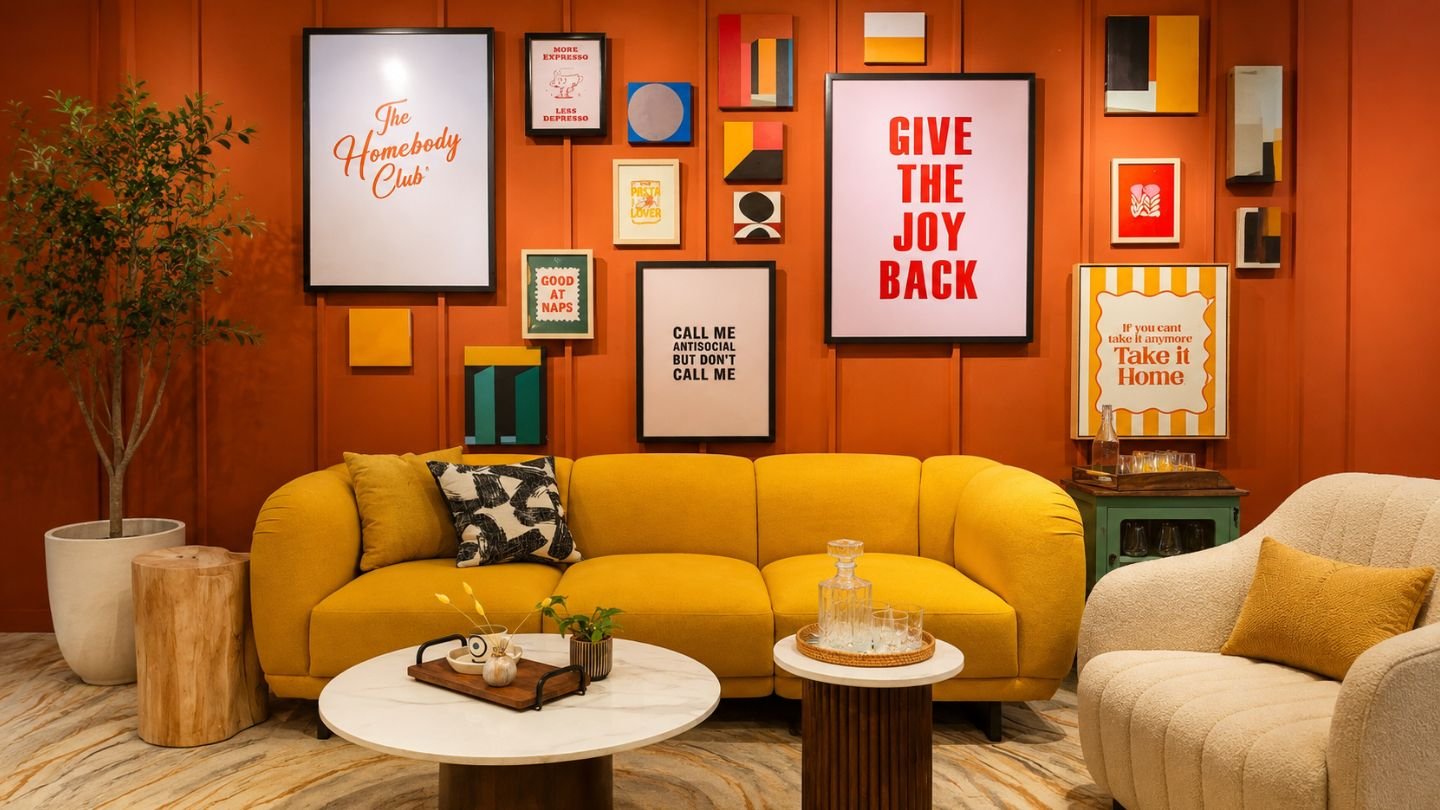
The company’s omnichannel model allows customers to discover products online, visit a store to see them in person, use assisted buying and complete the purchase through whichever channel works best for them.
For Pepperfry’s channel partners, dealers and franchisees, this broader proposition creates another opportunity. As stores move from being primarily experience-led spaces towards more commercially enabled retail destinations, partners can access the Pepperfry home marketplace while leveraging its digital platform, technology, brand and supply-chain capabilities.
The changing role of Pepperfry’s partners reflects a wider shift towards more solution-led retail models, where brands are enabling channel partners to offer a broader customer experience.
Atkar summed up the proposition for partners simply: “You can consider Pepperfry stores now as a mall where customers get to see varied selections from 100+ brands.”
This gives franchisees and other retail partners a larger product universe to sell without requiring them to physically stock the entire assortment. Pepperfry’s digital marketplace and supply chain can support the wider selection, while the local partner continues to bring
market knowledge and customer relationships.
Technology is the layer connecting these parts of the business. As the assortment grows, Pepperfry is using data, AI and personalisation to improve product discovery, while its One Funnel omnichannel model connects online discovery, physical stores and assisted buying. Technology also supports catalogue management, inventory visibility, fulfilment, supply chain and partner management.
The company’s physical and digital businesses are therefore intended to reinforce each other: stores provide discovery, trust and customer acquisition, while the digital platform gives customers access to a much wider assortment.
Enjoyed this article?
Receive Kitchen & Cabinetry Intelligence directly in your inbox.
Subscribe to newsletter. Click.
–
ALSO READ