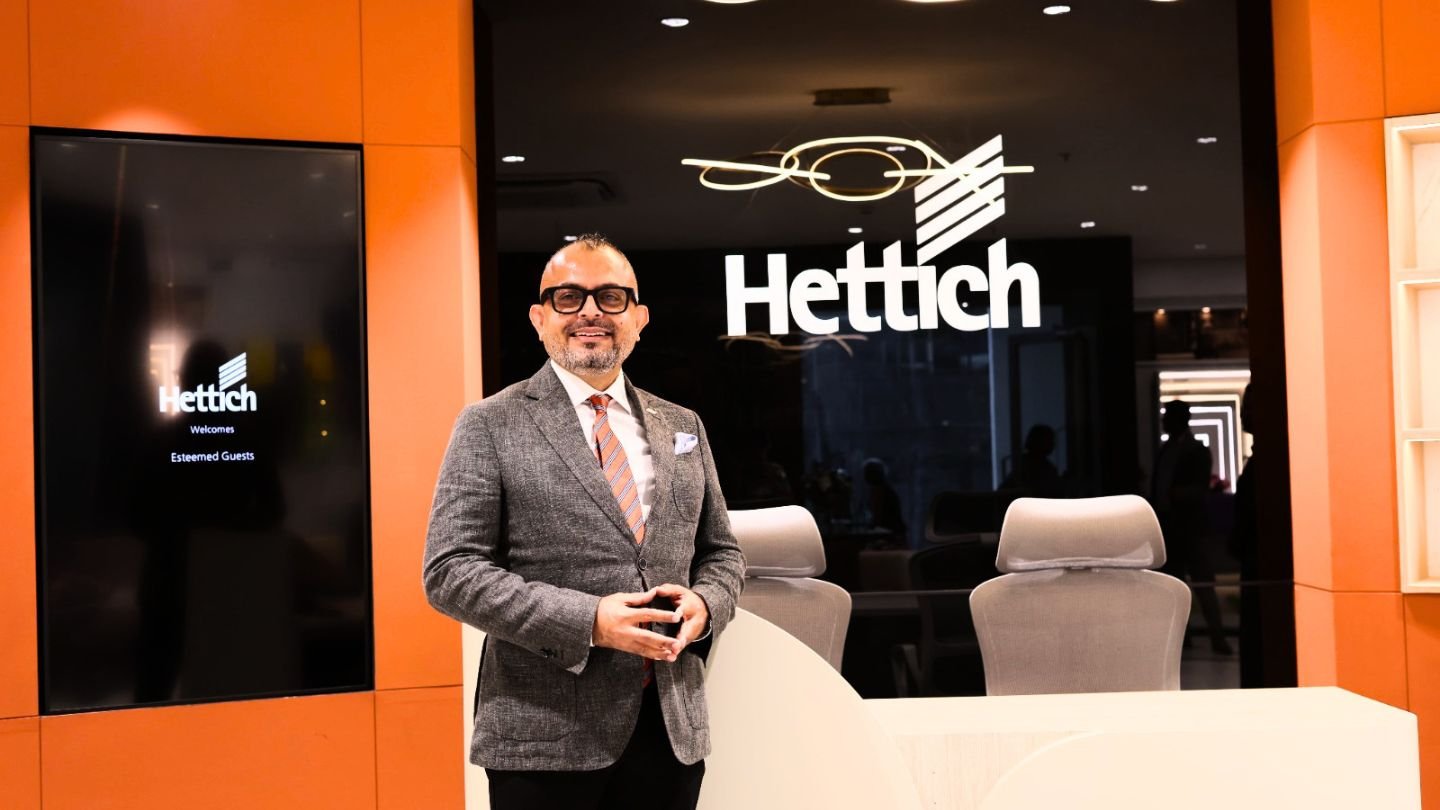
As Indian homeowners increasingly buy complete interior solutions rather than individual products, Hettich is reshaping its channel through the Hettich HeX store model—helping partners build stronger businesses while bringing a more immersive buying experience closer to customers.
For nearly 25 years, Hettich has built its presence in India through one of the country’s largest networks of dealers, OEMs and furniture manufacturers. That distribution network remains the foundation of its business. But according to Rahul Thakkar, Director – Sales, Hettich India & SAARC, the customer that network serves has changed significantly.
“Earlier, customers walked into a hardware store looking for products. Today, they come looking for solutions,” says Thakkar. “They want to experience how a kitchen works, how a wardrobe functions, how storage can be optimised, and how different products come together to improve everyday living.”
That shift is changing the buying journey for the organised home-interiors industry. Increasingly, homeowners begin their research online, compare materials and finishes, seek professional advice, and evaluate products not just on price but on functionality, durability and long-term value. They are buying interior environments rather than components.
This is consistent with the findings of the India Interior Trend Report 2026-27 (IITR), which identifies the rise of the Indian mid-premium home as the next growth engine for the organised home-interiors industry. The report observes that homeowners investing ₹10–20 lakh in kitchens, wardrobes, furniture, lighting and interior finishes are increasingly comparing specifications, materials and performance, asking not simply “What does it cost?” but “What performs better?” and “What will remain relevant over the next ten years?”
For brands, this has important implications. Success is no longer determined only by product availability or the strength of a distribution network. It increasingly depends on whether customers can visualise complete furniture projects, understand the role of individual components within those solutions, and make informed choices before a purchase decision is made.
Consultation, in other words, is becoming as important as product availability.
Hettich’s response to this shift is the Hettich HeX store model. Within its distribution strategy HeX serves two distinct purposes. First it builds on the existing dealer network, giving partners an opportunity to move beyond conventional hardware retail into a more consultative, interiors business.
Second, it complements Hettich’s network of company-owned Experience Centres, by enabling local business partners to create similar experience-led retail destinations where customers can explore complete furniture solutions in a branded environment.
For Thakkar, the strategy goes beyond opening more stores. “The objective is not just to sell more products,” he says. “It is to build the brand, improve the customer experience, and help our partners grow their businesses with us.”
What Is the Hettich HeX Store Model?
When the company began exploring ways to engage more closely with consumers, the question was: how could the Hettich experience be made available in many more cities without diluting the strength of the existing partner ecosystem? The answer was Hettich Exclusive, or HeX.
Physically, a HeX store is an exclusive retail outlet showcasing Hettich’s German-engineered furniture fittings, architectural hardware, furniture lighting and Blaupunkt built-in kitchen appliances through fully functional kitchens, wardrobes and furniture displays. But unlike a conventional hardware showroom, it is designed around complete interior solutions rather than individual products.
“Customers don’t buy hinges,” Thakkar says with a smile. “They buy kitchens. They buy wardrobes. The hardware is what makes those spaces work, but the customer wants to experience the complete solution.” That thinking has shaped every aspect of the HeX format.
Instead of displaying products in isolation, HeX stores allow customers to experience them in realistic settings—opening drawers, operating storage systems, understanding lighting, comparing finishes and seeing how individual components come together within a finished space. The objective is to make product selection more informed and more intuitive.
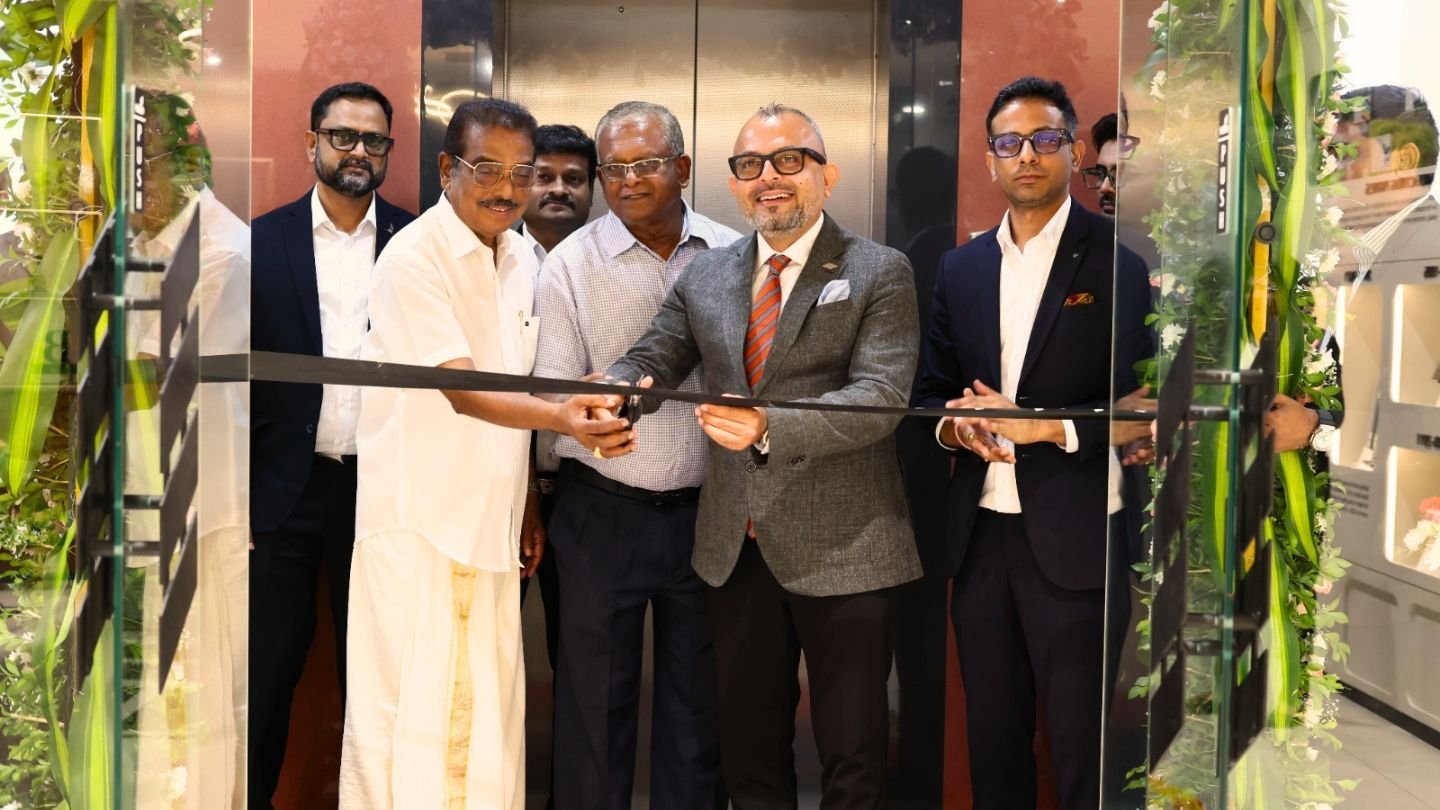
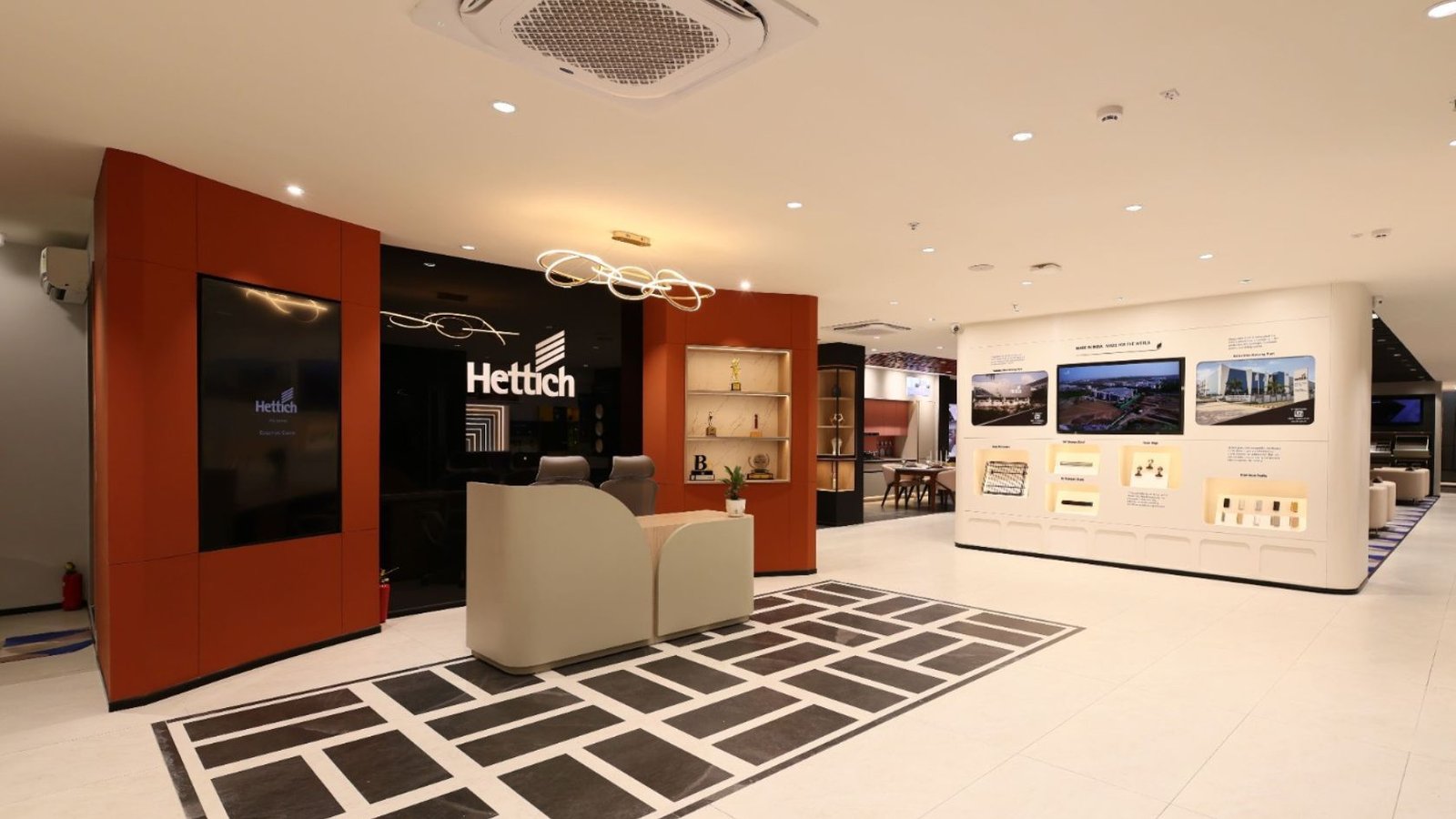
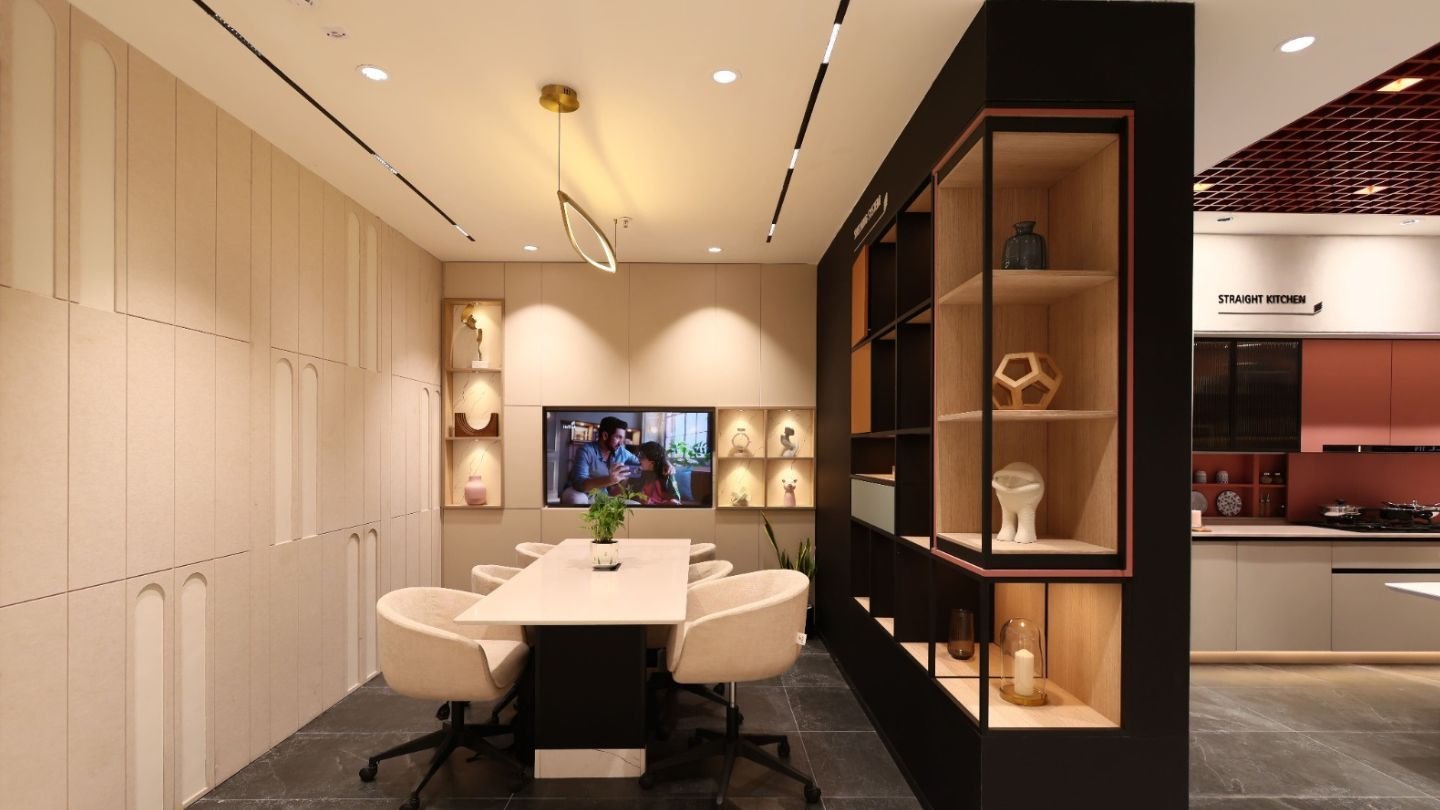
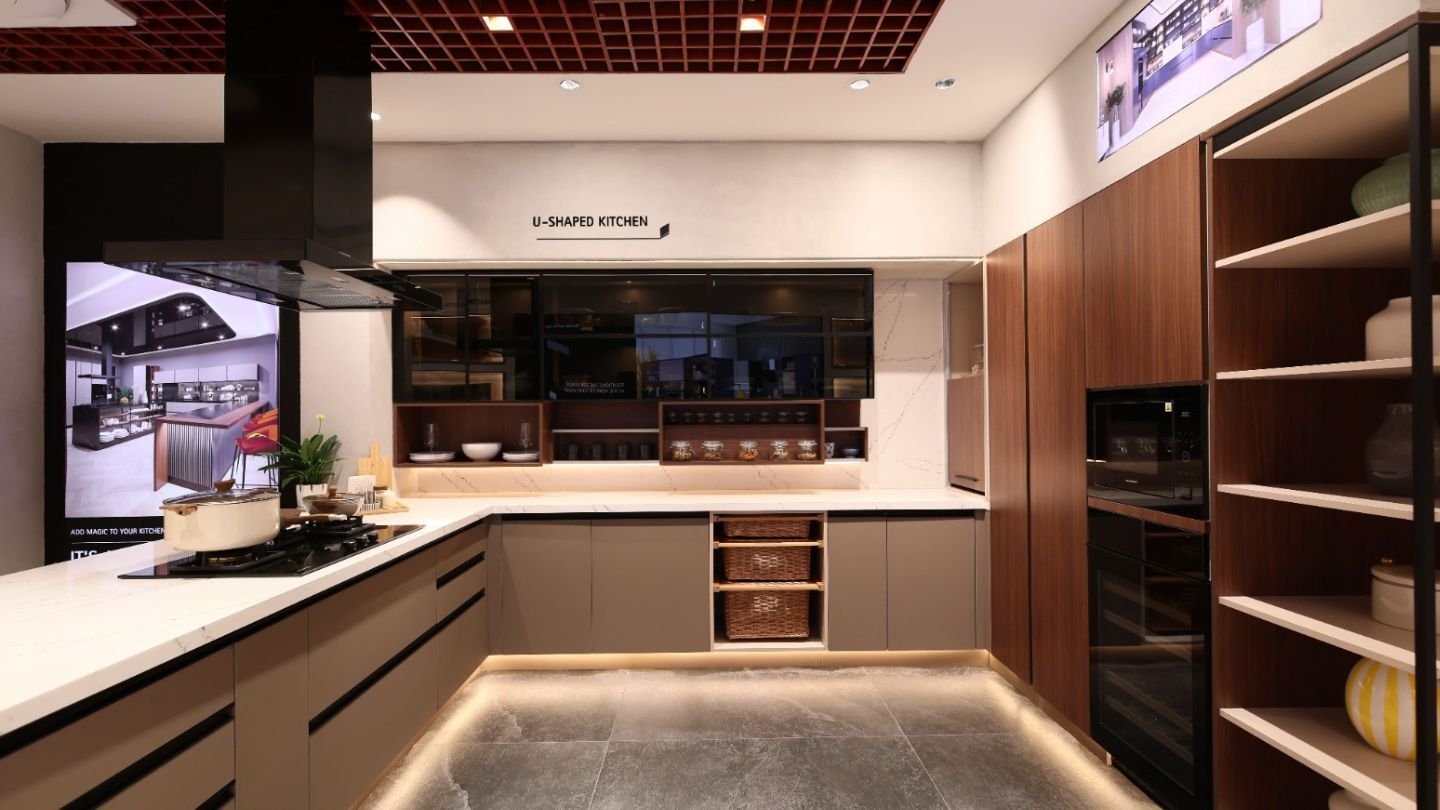
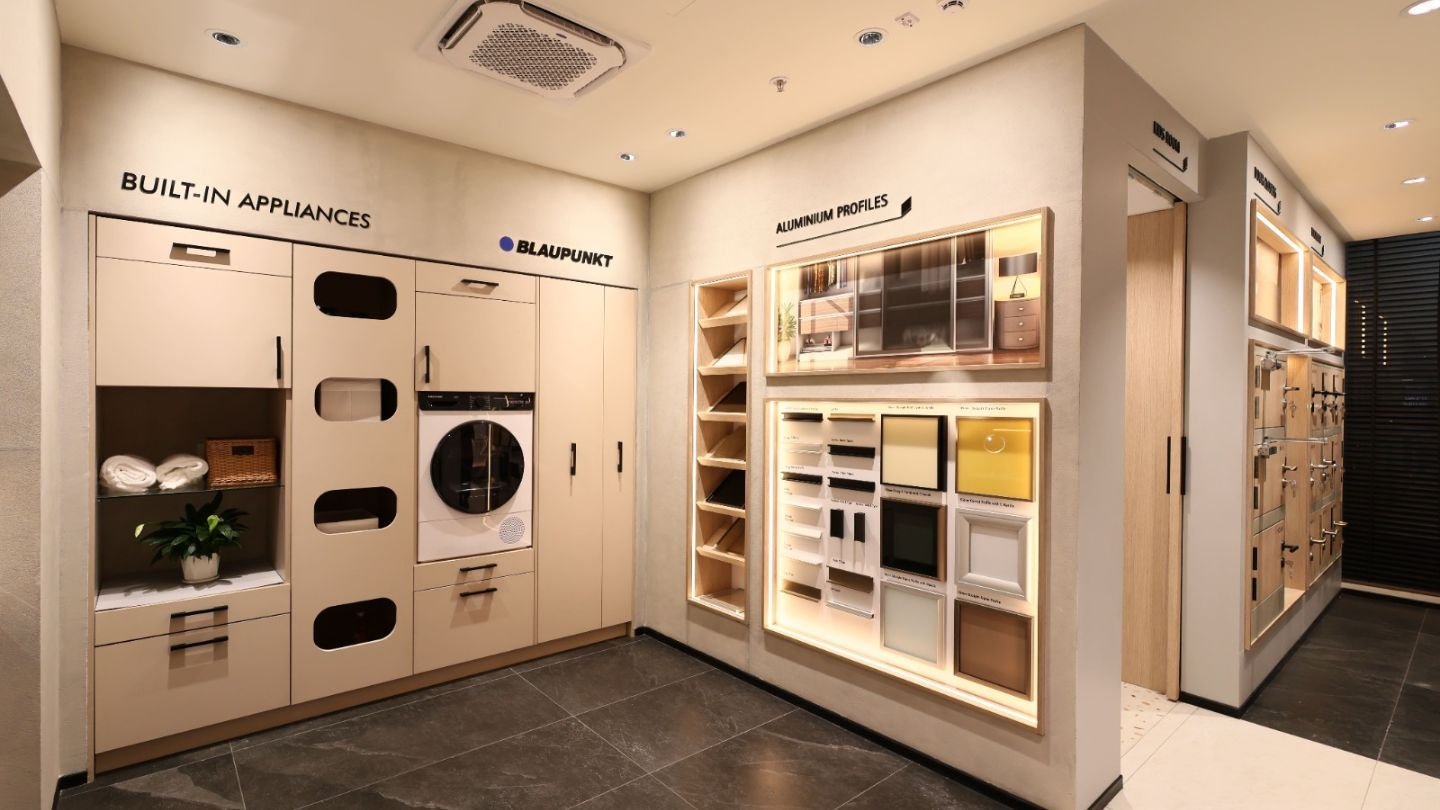
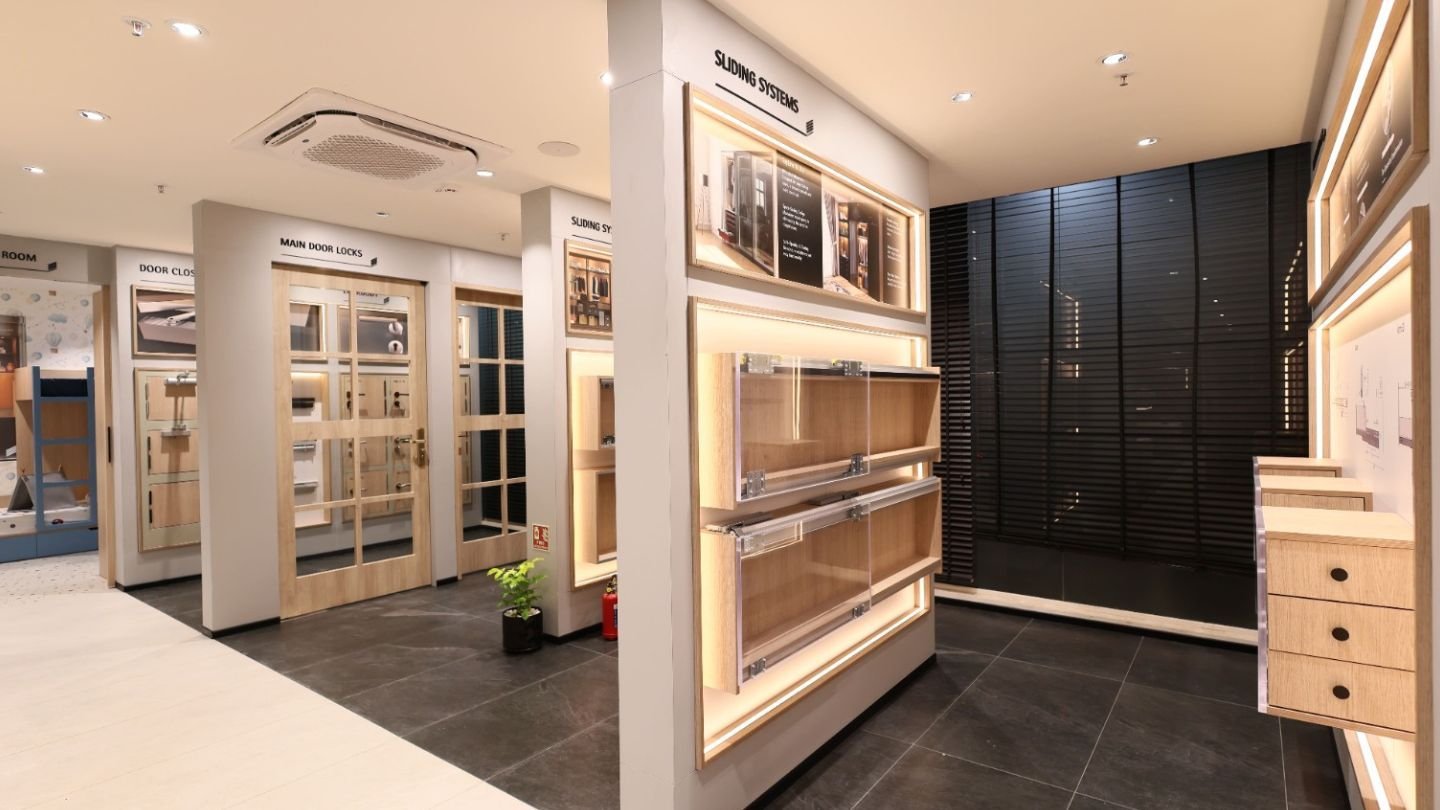
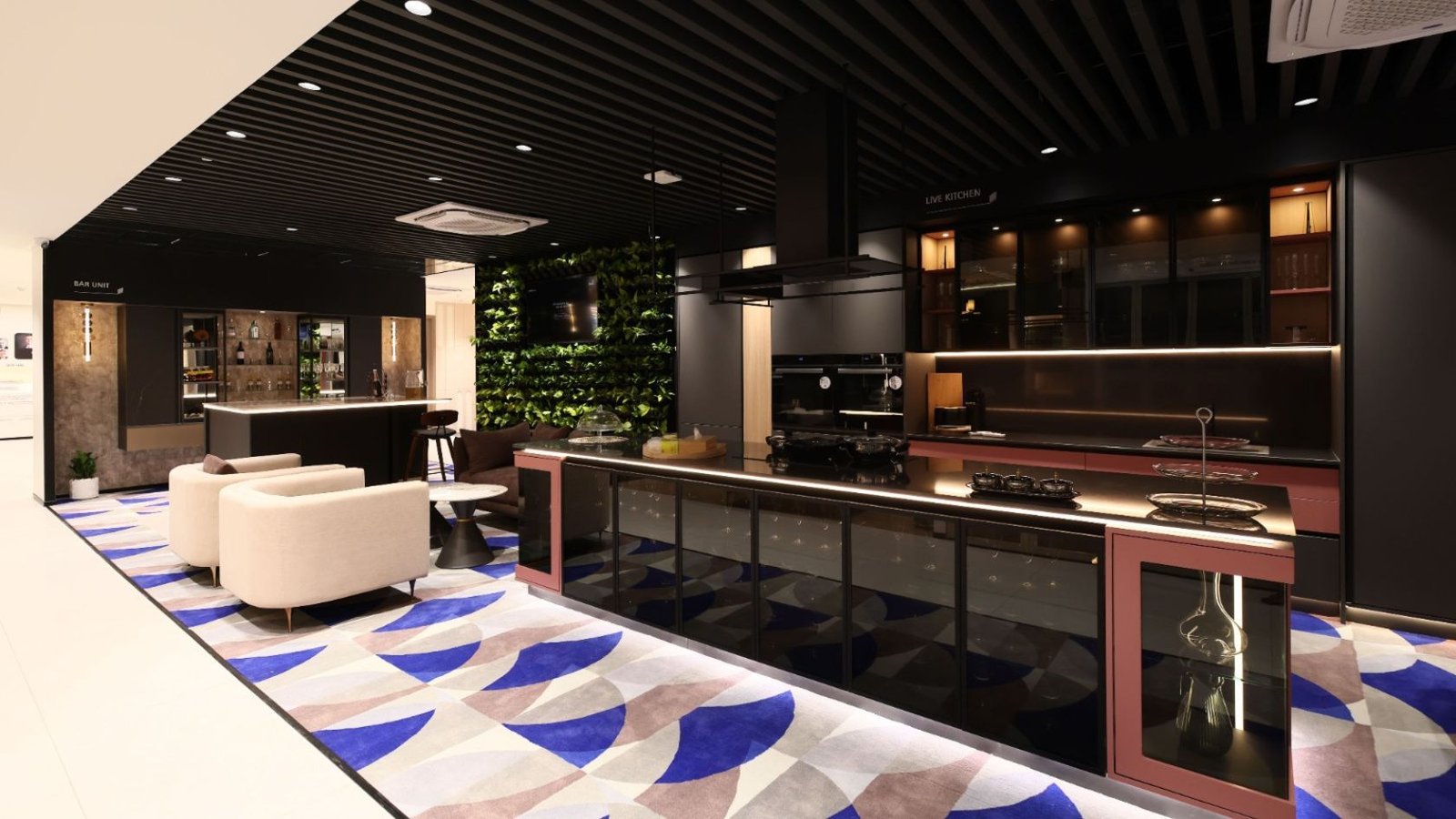
For Hettich, this also fundamentally changes the role of the retail partner. A HeX partner is not expected to run an exclusive hardware outlet. Instead, the partner is expected to sell complete furniture solutions—whether kitchens, wardrobes or other living spaces—using Hettich’s hardware, fittings and allied products as integral components of the finished offering. The objective is to move the conversation from individual products to integrated solutions.
This is why Hettich sees furniture manufacturers, kitchen studios, interior solution providers and even building material businesses with an interiors focus as natural partners for the HeX format. Rather than simply supplying hardware, they are expected to guide customers through design, product selection and execution, delivering an integrated offering backed by the Hettich brand.
The scale of Hettich’s ambition is evident in its rollout plans. After opening around 10 HeX stores in 2024 and another 17 in 2025, the company expects approximately 45 stores to be operational during 2026. The longer-term target is around 150 HeX stores by 2030, extending beyond metropolitan India into emerging cities where aspirations are rising as rapidly as incomes.
For Thakkar, however, the success of HeX will not be measured simply by the number of stores. “The objective is brand building first, then revenue,” he says. “If customers have a better experience and our partners build stronger businesses, growth will follow.”
Helping Partners Build Complete Solution Businesses
The Hettich HeX store model is built around partners who can deliver complete furniture solutions rather than simply retail hardware products. As Thakkar explains, the objective is to help partners engage customers much earlier in the buying journey—understanding their
requirements, recommending appropriate solutions and delivering finished kitchens, wardrobes and furniture rather than individual components.
“The customer increasingly wants one vendor who can understand the requirement, recommend the right solution and deliver the finished product,” Thakkar explains. “That is the business we want to build together.”
The shift reflects a broader change in India’s organised interiors market. Traditionally, a hardware dealer’s role ended when the products left the counter. The furniture manufacturer, designer and installer each operated independently, leaving the customer to coordinate the various parts of the project.
Today’s homeowners expect a different experience. Increasingly, they want a single point of engagement that can help them visualise the project, recommend appropriate products, coordinate execution and deliver a finished kitchen or wardrobe rather than a collection of components. HeX is designed around that expectation.
For Hettich’s existing dealers, this creates an opportunity to evolve from product distribution to solution retailing. Rather than depending solely on hardware sales, partners can build a business around complete furniture solutions where Hettich’s fittings become part of a larger customer proposition.
ALSO READ: Building a National Kitchen Retail Network: What It Really Takes
Equally, the model opens the door for furniture manufacturers and kitchen studios that already possess design and execution capabilities but want to strengthen their market positioning through an internationally recognised brand. They do not surrender their own business identity and continue to manufacture and sell furniture under their own name. The Hettich Exclusive format provides the branded retail environment, while Hettich products become the exclusive hardware platform within that showroom.
“It’s a partnership,” says Thakkar. “Our partners have invested years in building their businesses. HeX is designed to help them build on that foundation, not replace it.”
That philosophy also shapes the economics of the shared investment model. Rather than simply appointing a franchisee, Hettich shares both the capital expenditure required to establish the HeX showroom and part of the operating expenditure involved in running it. The company also supports partners with showroom planning, merchandising, marketing initiatives and lead generation, recognising that the success of the format depends on the long-term success of the partner.
Training forms another important pillar of the model. Partners and their teams receive initial orientation at the nearest Hettich Experience Centre, followed by product-specific training delivered by respective category experts, enabling them to move conversations beyond product specifications towards complete furniture solutions.
The company also provides area exclusivity, ensuring that a HeX partner has a defined territory in which to develop the business. Larger cities may accommodate multiple HeX outlets, but each serves a distinct catchment, allowing partners to invest with confidence while ensuring customers have access to a consistent Hettich experience.

Perhaps the most significant support, however, comes after the store opens. According to Thakkar, Hettich actively helps generate customer enquiries through its own brand-building initiatives, directing prospective customers towards HeX partners. For businesses accustomed to relying primarily on walk-in traffic or local references, this creates an additional avenue for growth while strengthening their association with the Hettich brand.
Scaling Through Shared Growth
The rollout of the HeX network reflects Hettich’s confidence in where India’s organised home-interiors market is headed. After establishing a presence across the major metropolitan markets, the company is now looking increasingly at Tier-2 and Tier-3 cities. For Thakkar, this is not simply a geographic expansion but a response to changing consumer behaviour.
“People often associate premium living with the metros,” he says. “Our experience tells us that aspirations are rising just as rapidly in smaller cities. Customers there are equally aware of brands, equally design-conscious and increasingly willing to invest in better living spaces.”
The company therefore looks beyond city labels and instead evaluates market potential based on the maturity of the local furniture ecosystem, consumer demand and the ability of a partner to deliver complete solutions. Districts with populations of around seven lakh and
above are now emerging as viable markets for the HeX format.
That approach also explains why Hettich continues to invest alongside its partners. The company is not merely expanding its retail footprint; it is investing in the capability of its channel. Every successful HeX partner strengthens Hettich’s ability to serve customers in markets where company-owned Experience Centres alone cannot provide the same level of local engagement.
The strategy is therefore built on shared growth. As partners expand their businesses, Hettich extends its market presence. As Hettich strengthens its brand, partners benefit from greater customer trust, marketing support and lead generation. Neither succeeds without the other.
For Thakkar, this long-term alignment is central to the HeX philosophy. “We want to grow with our partners,” he says. “If they build stronger businesses, we build a stronger Hettich.”
A Different Way to Build a Brand
Viewed simply as a retail initiative, HeX is a network of exclusive branded stores. Viewed more closely, it represents something more significant. It reflects Hettich’s recognition that the organised home-interiors market is evolving from product selling to solution selling, and that the role of the channel partner must evolve with it.
Whether the company reaches its target of 150 HeX stores by 2030 will be one measure of success. The more important measure may lie elsewhere.
If India’s home-interiors industry is indeed moving towards consultation, specification and integrated solutions, then the Hettich HeX store model is less a new showroom format than Hettich’s bet on what the next generation of interior retail will look like.
Enjoyed this article?
Receive Kitchen & Cabinetry Intelligence directly in your inbox.
Subscribe to newsletter. Click.
–
ALSO READ