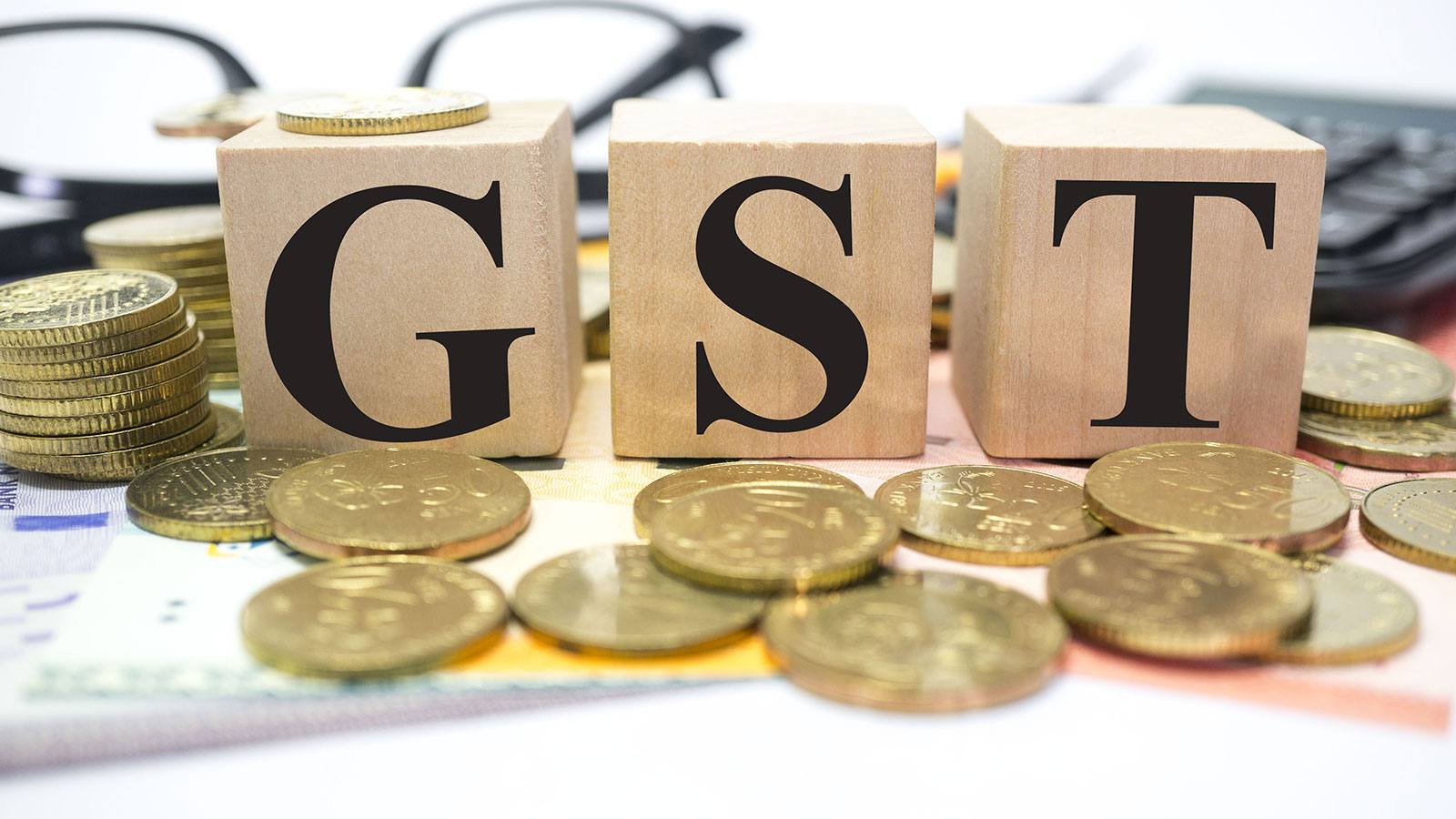
The Goods and Services Tax (GST) Council has given its nod to the two remaining pieces of supporting legislation for implementing the landmark tax reform, paving the way for their introduction in Parliament and state legislatures.
The Council’s approval for the State GST and Union Territory GST bills marks an important step in the long journey towards creating a unified market, and is critical to meeting the deadline of 1 July for GST implementation.The GST Council also agreed to cap the cess on various so-called demerit (or sin and luxury) goods in the legislation. The cess on colas and cars has been capped at 15%, which means that the total tax incidence on sweetened drinks and cars cannot be more than 43% (tax rate of 28%+cess of 15%).In the case of cigarettes and chewing tobacco, the cess levied could be either 290% or Rs4,170 per thousand sticks or a combination of both. These cess rates are an enabling provision and the actual tax incidence could be lower, depending on the decision of the Council.
The Council has decided to bring in an enabling provision for levy of cess on all cars and not only on luxury cars. This means that the Council, at a later date, could decide to levy a cess over and above the 28% tax rate on non-luxury cars as well. It has also decided to make the tax treatment of items produced in special economic zones (SEZs) similar to that on exports. Procurement of supplies by SEZs will be zero-rated.
 At the conclusion of the 12th GST Council meeting, Finance Minister Arun Jaitley said the Council had now granted its approval to all the five legislations, clearing the way for these bills to be tabled in Parliament and the state assemblies.The Council, in its previous meetings, had given its nod to the central GST law, the integrated GST law (dealing with inter-state trade) and the bill to compensate states for revenue losses arising from the transition to GST.
Four of the proposed laws (except the State GST bill) will now be tabled together in the Lok Sabha after getting the Union Cabinet’s approval. The State GST bill will need to be approved by all state legislatures.The passage of these bills will remove tax barriers across states, and subsume a host of indirect taxes levied by the centre and the states including excise duty, service tax, value-added tax, entertainment tax, entry tax and luxury tax.
The Council now has to formalise nine sets of rules as well as complete the time-consuming task of fitting various goods and services into the different tax slabs. These rules, including those on registration, payment, refunds, invoices, returns, valuation and input tax credit, will be finalised in its next meeting. Subsequently, it will take up the fitment of rates ie fitting goods and services in the four-slab tax structure of 5%, 12%, 18% and 28%.